Israel–Palestine Ceasefire Agreement and the Prospect of an
Independent Palestinian State
The
Israel–Palestine conflict, rooted in decades of historical grievances,
territorial disputes, and political mistrust, has long remained one of the most
enduring and volatile conflicts in modern international relations. The recent
ceasefire agreement offers a moment of cautious optimism, yet its durability
and long-term implications remain uncertain. Whether this development marks the
beginning of a transformative peace process or merely another temporary pause
in hostilities remains an open question.
The conflict
traces its origins to the establishment of Israel in 1948 and the subsequent
displacement of Palestinians, events that continue to shape political
narratives and national identities on both sides. Core issues—borders,
refugees, the status of Jerusalem, security concerns, and Israeli
settlements—have persisted through multiple escalations, including major
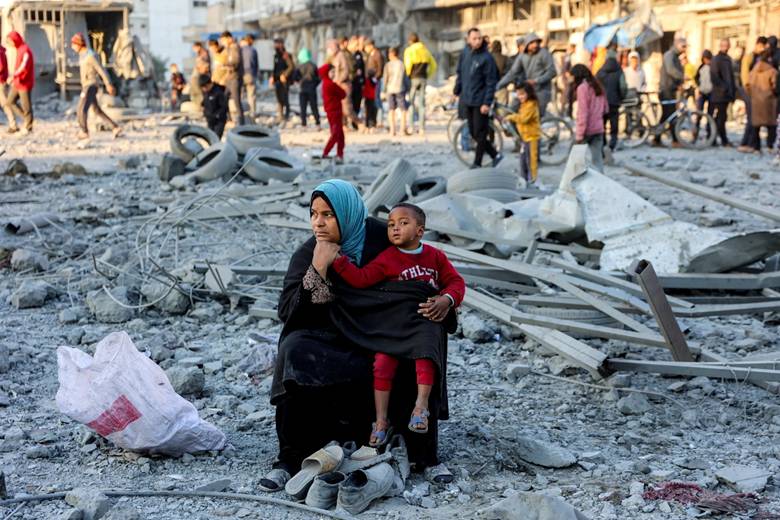
outbreaks of violence in 2008, 2014, 2021, and 2023. The humanitarian
consequences have been severe, characterised by significant loss of life, mass
displacement, and widespread economic hardship in Gaza and the West Bank.
The latest
ceasefire agreement emerged amid mounting international pressure and widespread
global protests condemning the violence. Diplomatic momentum intensified as
major Western powers signaled greater recognition of Palestinian aspirations. A
high-level Gaza Summit in Sharm El Sheikh, attended by numerous heads of state
alongside representatives of the United Nations, the Arab League, and the
European Council, underscored the international community’s renewed engagement.
Notably, key actors such as Iran, Israeli Prime Minister Netanyahu, and Hamas
representatives did not participate directly, reflecting persistent political
complexities.

Central to the
ceasefire framework is a proposed transitional arrangement for Gaza. Among the
outlined provisions are the return of Israeli captives and the release of
Palestinian prisoners, conditional amnesty for Hamas members willing to
renounce violence, and the establishment of a temporary “Board of Peace” to
oversee governance. The agreement also envisions Hamas relinquishing any formal
governance role in Gaza. Proponents argue that these measures could create
conditions conducive to renewed negotiations and possibly a credible pathway
toward Palestinian self-determination and statehood.
However,
optimism is tempered by significant challenges. While the ceasefire has reduced
immediate violence and facilitated the resumption of humanitarian assistance,
deep-seated mistrust remains. Israeli security concerns, continued settlement
expansion, the contested status of Jerusalem and its holy sites—including
Masjid Al-Aqsa—and divisions within Palestinian leadership present formidable
obstacles. The persistence of zero-sum political attitudes and the influence of
extremist factions further complicate prospects for sustainable peace.
Despite these
barriers, opportunities for progress exist. Sustained international engagement,
regional cooperation among Arab states, economic development initiatives, and
grassroots confidence-building measures could gradually strengthen the
foundations of peace. The two-state solution continues to receive broad
international support, although translating principle into practice requires
political courage and compromise from all parties.
Ultimately, the
ceasefire represents a necessary but insufficient step toward lasting
resolution. Long-term peace will depend on sustained dialogue, credible
security guarantees, unified Palestinian governance, and meaningful
international backing. The prospect of an independent Palestinian state remains
uncertain, yet the current moment offers a fragile window of possibility that
must not be squandered.