Bangladesh Institute of International and Strategic Studies
Bangladesh Institute of International and Strategic Studies
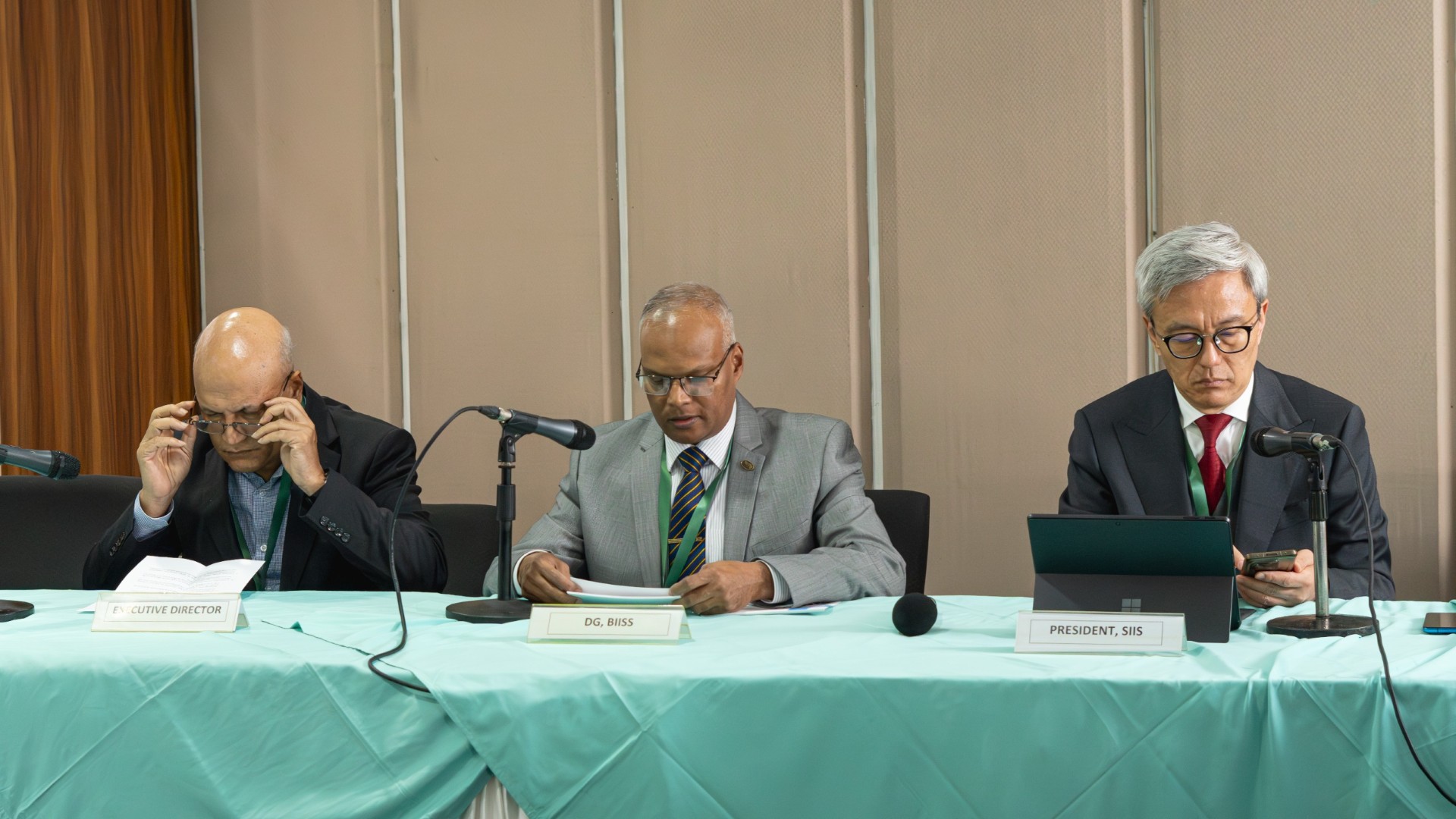
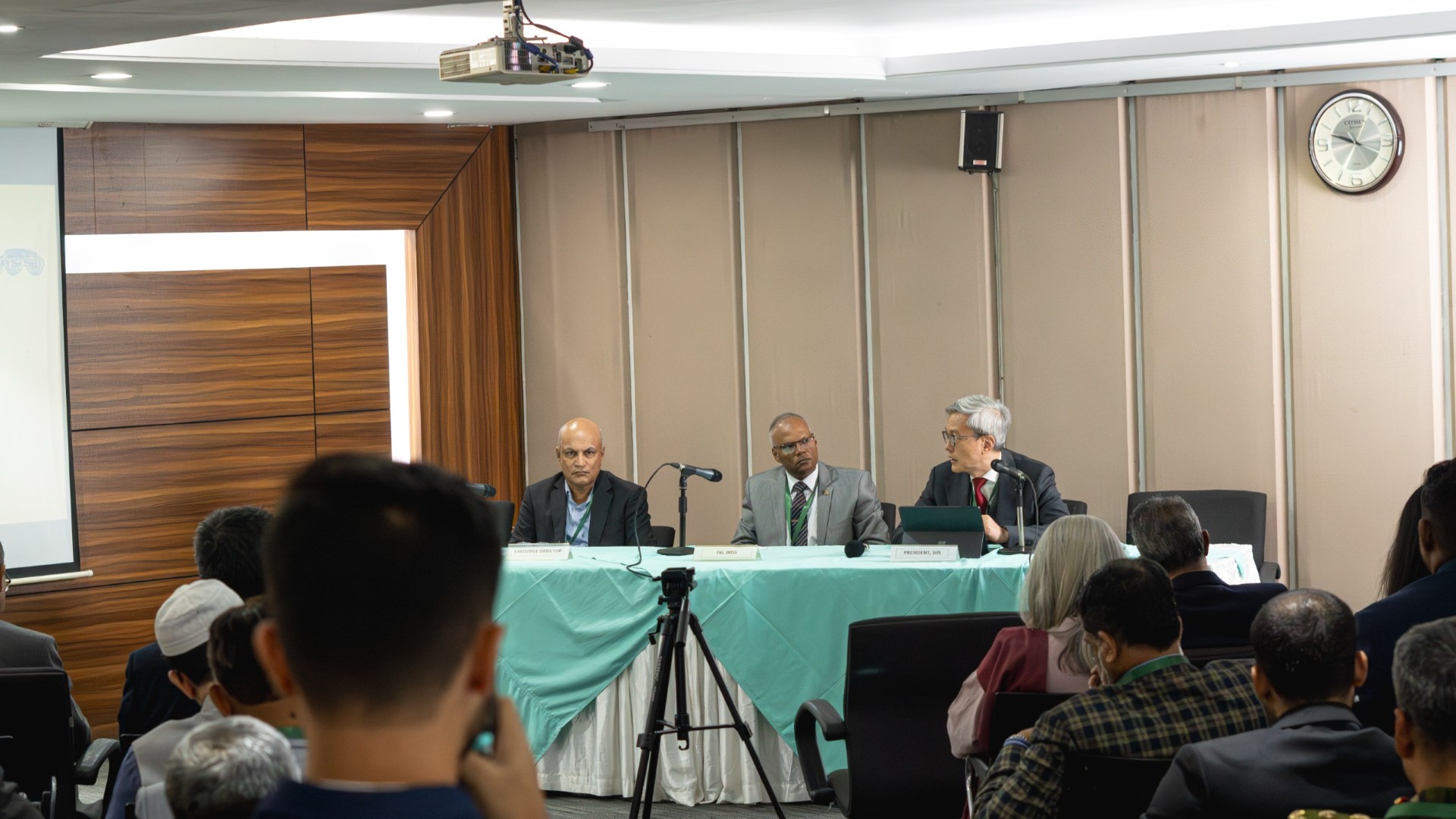
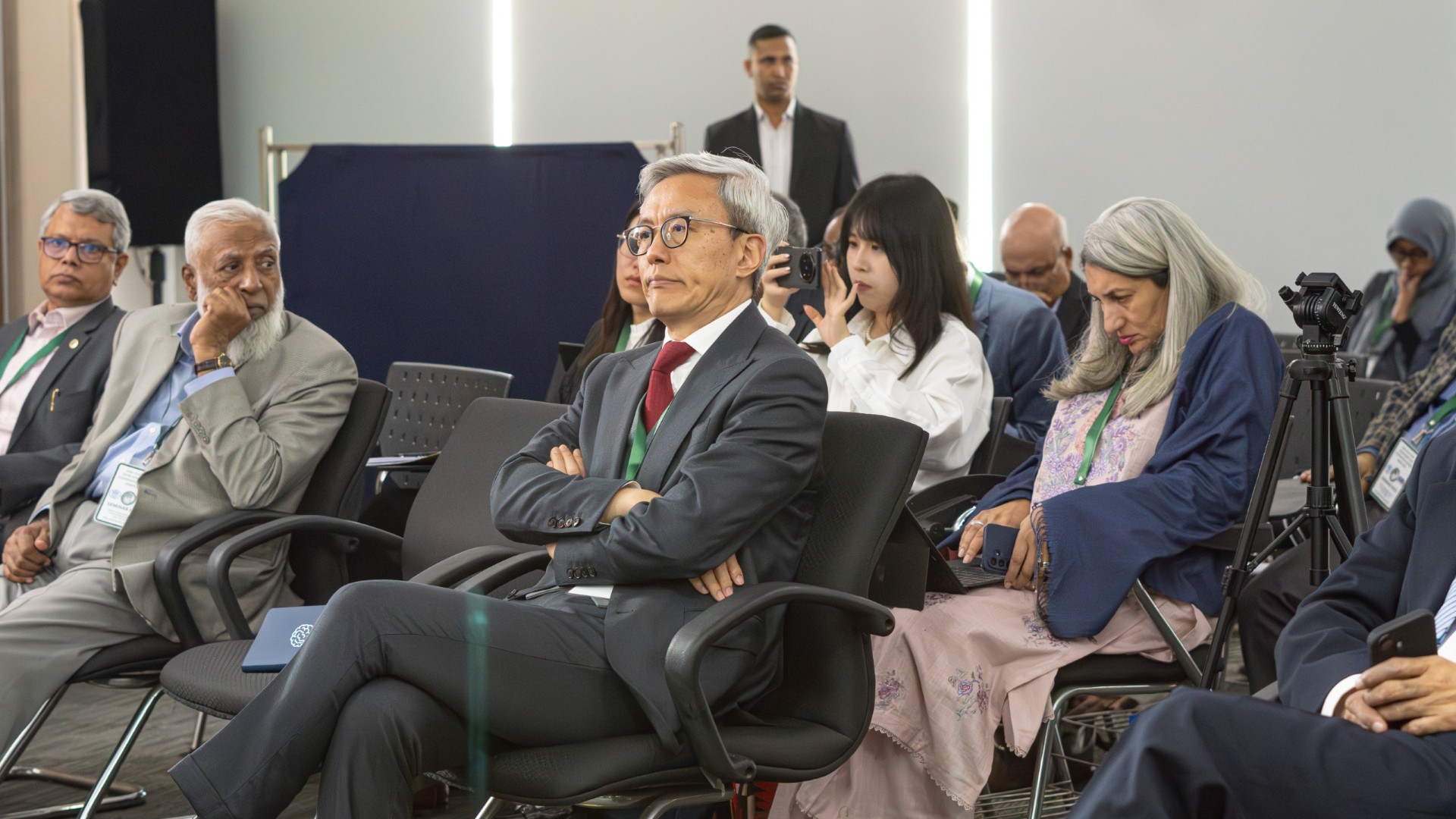
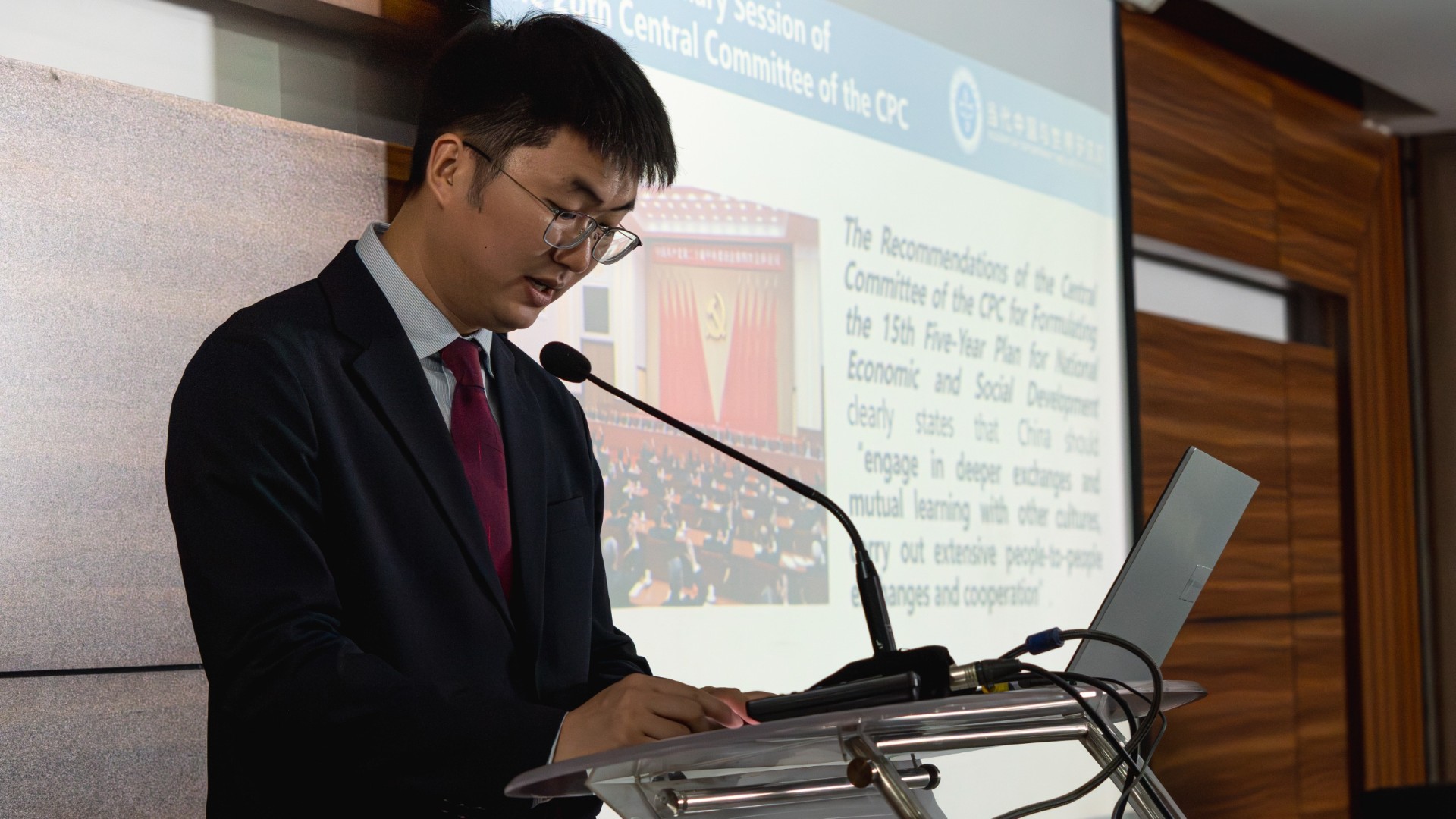
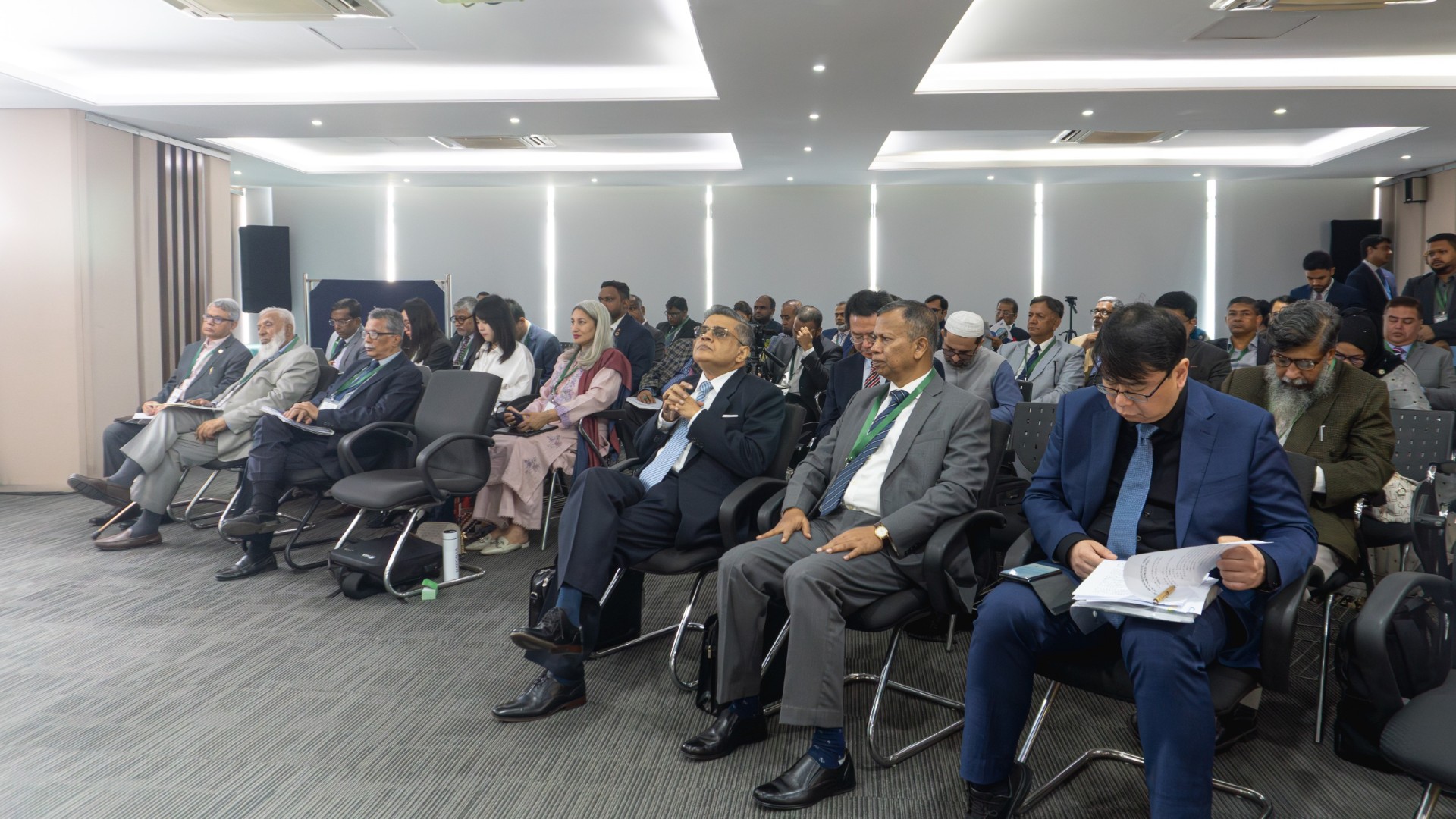
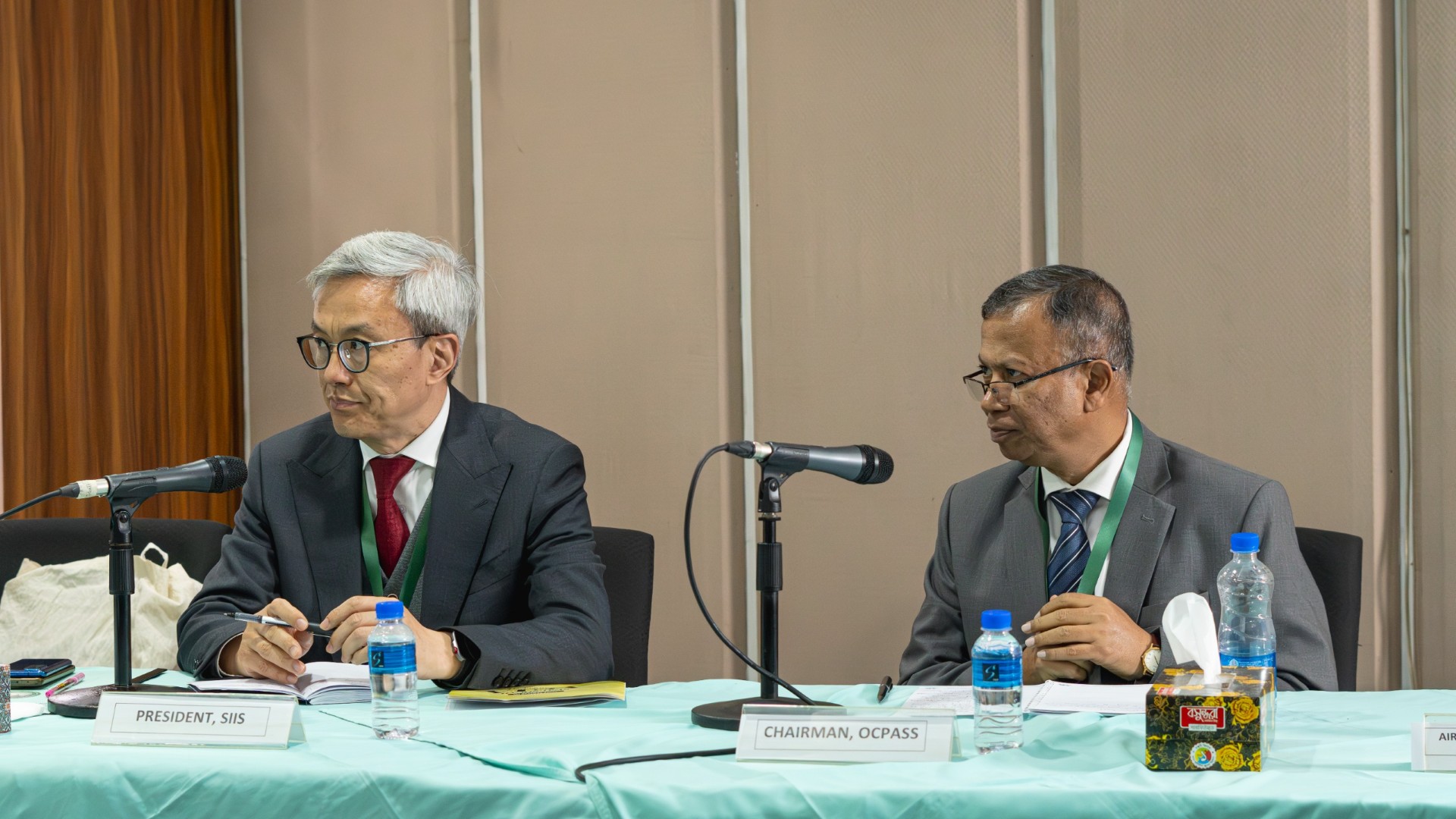
The Bangladesh Institute of International and Strategic Studies (BIISS), in collaboration with the Osmani Centre for Peace and Security Studies (OCPASS), organized a day-long International Seminar titled “Sino–South Asia Development and Cooperation” on Monday, 22 December 2025, at the Army Golf Club, Dhaka. The theme of the seminar focused on “Forging a Collaborative Future: Leveraging Sino-South Asia Cooperation to Translate Regional Stability and Indian Ocean Security into Sustainable Economic Emancipation for the People of South Asia.”
The program commenced with a welcome address delivered jointly by Major General A S M Ridwanur Rahman, awc, afwc, psc, G, Director General of BIISS, and Professor Chen Dongxiao, President of the Shanghai Institutes for International Studies (SIIS). Following the welcome, Brigadier General Md Mahboob Sarwar (Retd), SPP, ndc, afwc, psc, adsc, PhD, Executive Director of OCPASS, provided a brief overview of the seminar's core themes. The main day-long schedule featured three distinct working sessions:
Session 1 (Geopolitical Setting in the Indian Ocean and Ramifications for Regional Security, Particularly for Smaller States in South Asia): Chaired by Commodore Mohammad Abdur Razzak (Retd), NUP, ndc, psc, MPhil (Country Lead, Ocean Centres, Bangladesh) and moderated by Professor Shahab Enam Khan, PhD (Jahangirnagar University), this session explored regional stability. It included presentations by Dr. Zhang Xiaoyin (Research Fellow, SIIS) on peaceful maritime dynamics in the Arabian Sea and Bay of Bengal; Mr. M Ashique Rahman (Senior Research Fellow and Research Director In-Charge, BIISS) on non-traditional strategic security challenges; and Ambassador Ahmed Aflel Jawad (Former Ambassador of Sri Lanka) offering a Sri Lankan perspective on balancing diverse geopolitical interests.
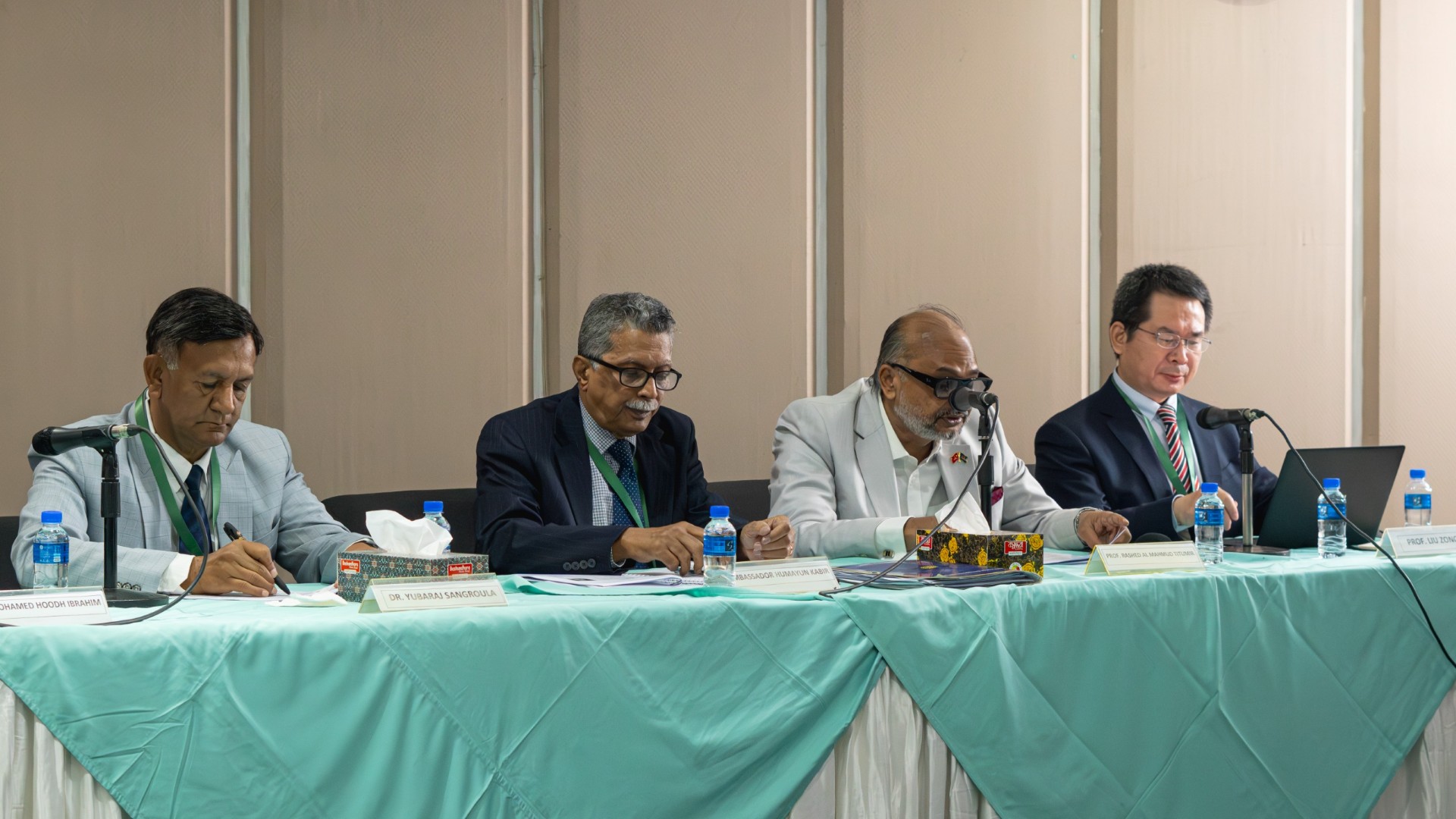
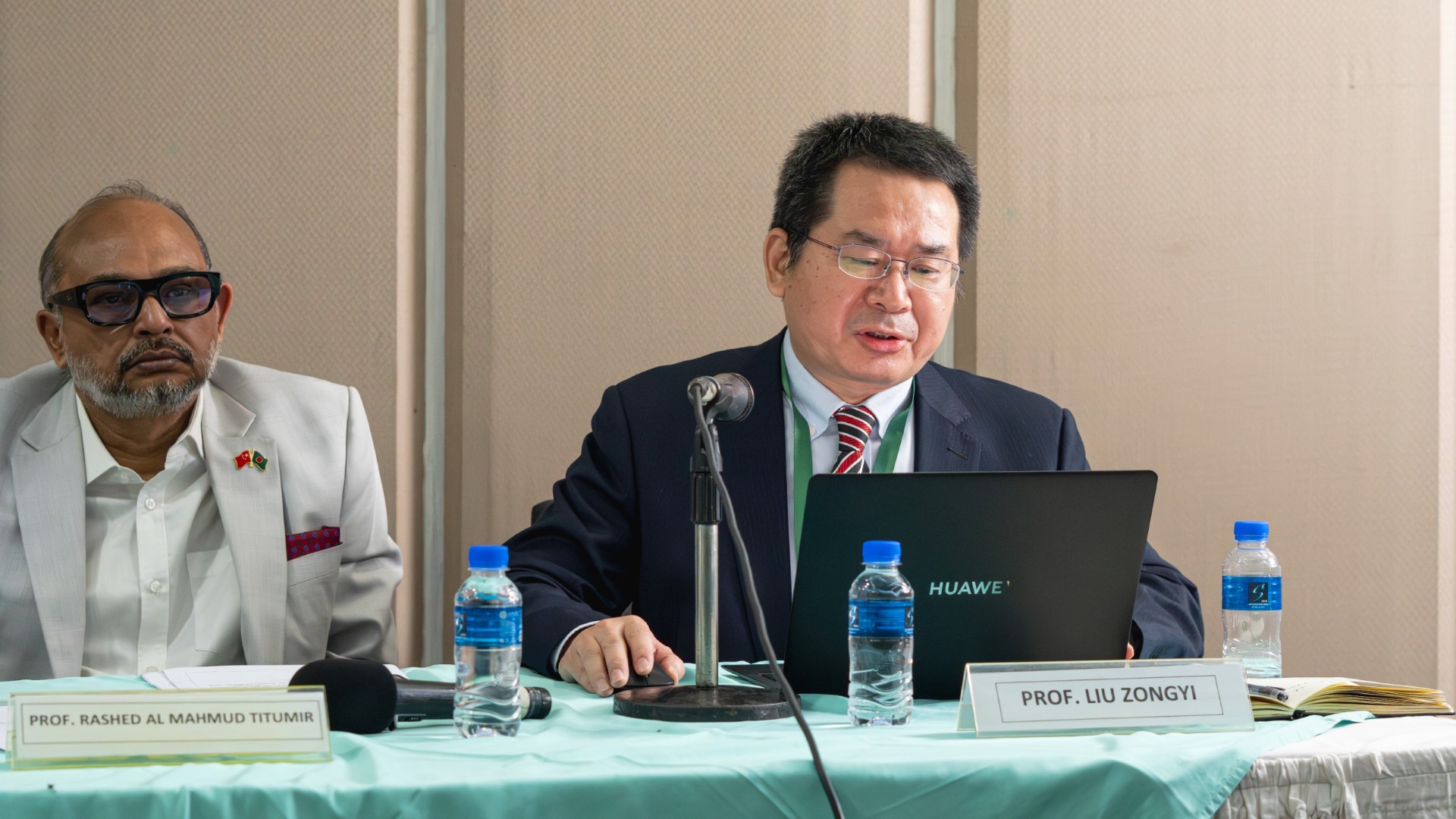
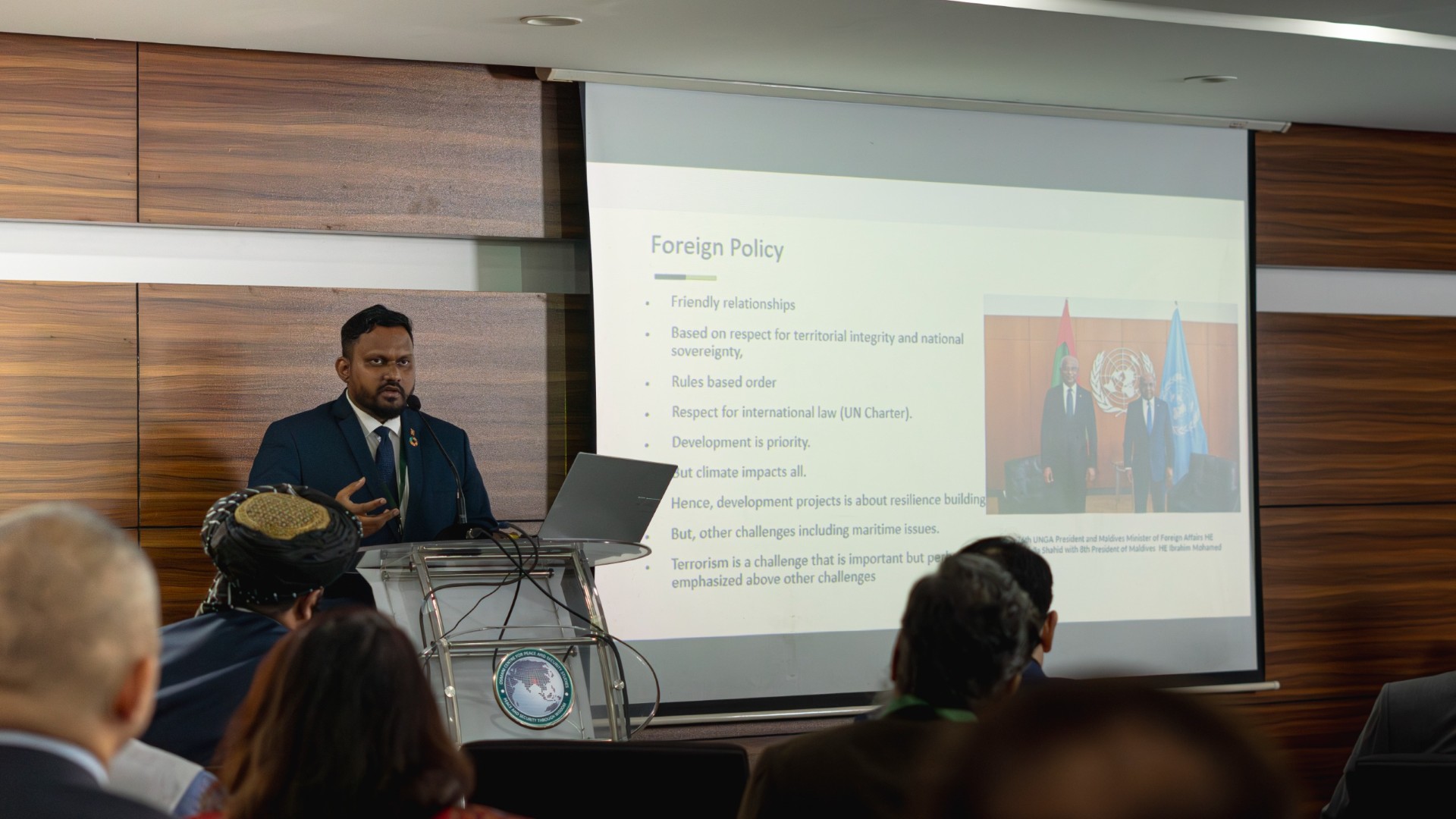
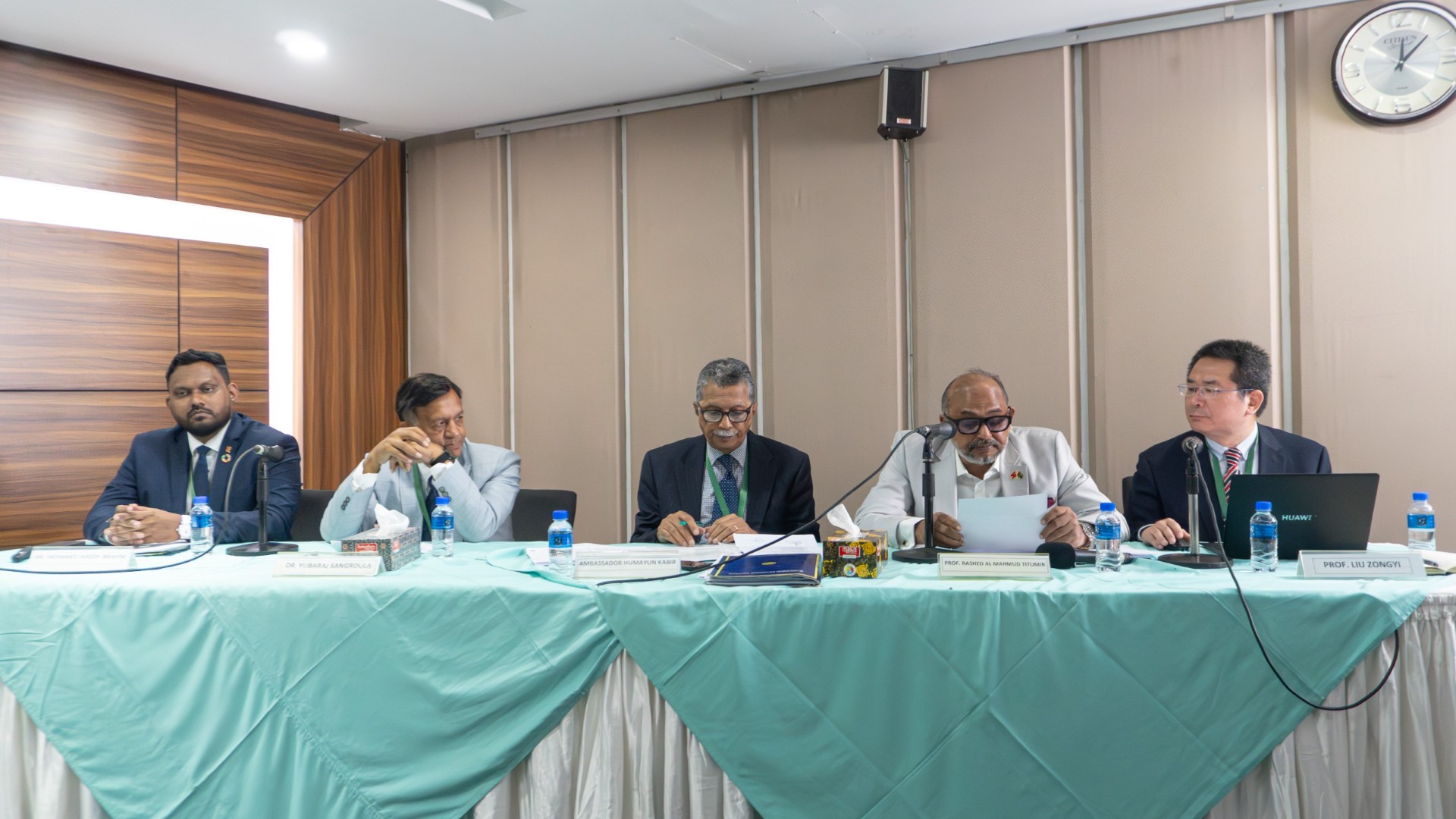
Session 2 (Economic and Trade Relations): Chaired by Ambassador Humayun Kabir (President, Bangladesh Enterprise Institute) and moderated by Professor Rashed Al Mahmud Titumir, PhD (University of Dhaka), this module assessed commercial dynamics. It featured insights from Professor Liu Zongyi (Senior Research Fellow and Director, SIIS) on China's role in economic integration; Dr. Yubaraj Sangroula (Executive Director, Kathmandu School of Law) addressing trade imbalances and balanced growth; and Mr. Mohamed Hoodh Ibrahim (Associate Lecturer, The Maldives National University) analyzing regional economic blocs and Free Trade Agreements from a Maldivian perspective.
Session 3 (Sustainable Development and People-to-People Exchange): Chaired by Ambassador M Shameem Ahsan (Former Permanent Representative of Bangladesh to the UN and WTO) and moderated by Mr. Md Obaidul Haque (Associate Professor, University of Dhaka), this final panel covered collaborative solutions. Presentations were given by Professor Dr. Salma Fatima Malik (Quaid-i-Azam University, Pakistan) on shared challenges in poverty, health, and disaster management; Colonel Md Nazrul Islam Azom, PhD (MIST, Bangladesh) on climate change cooperation and green initiatives; Mr. Fan Daqi (Vice President, ACCWS) on cultural, educational, and tourism exchanges; and Mr. Noor Ahmad Noor (Director General, MOFA, Afghanistan) presenting an Afghan country perspective on regional stability.
In the closing session, Air Vice Marshal Abul Bashar (Retd) delivered the formal vote of thanks. Concluding strategic remarks were shared by Lieutenant General (Retd) Mohammad Mahfuzur Rahman, PhD, Chairman of OCPASS and The Dhaka Initiative Chair, alongside Professor Chen Dongxiao, President of SIIS.
To secure regional maritime stability: Assessing the strategic, geopolitical setting of the Indian Ocean, Arabian Sea, and Bay of Bengal to safeguard smaller South Asian states against emerging security challenges.
To address non-traditional security threats: Identifying strategic remedies for regional vulnerabilities in non-traditional security architectures, including health crises, poverty, and severe disaster management.
To maximize economic and trade integration: Exploring structural roles for China and regional economic blocs in mitigating trade imbalances, leveraging Free Trade Agreements, and expanding balanced economic growth models.
To enhance climate cooperation and green initiatives: Building joint frameworks for cross-border collaboration to address modern climate change impacts through sustainable, green development pathways.
To foster deep human connectivity: Encouraging robust, transnational people-to-people exchanges by strengthening educational networks, cultural diplomacy, and regional tourism industries.