Bangladesh Institute of International and Strategic Studies
Bangladesh Institute of International and Strategic Studies
Navigating Bangladesh’s Future
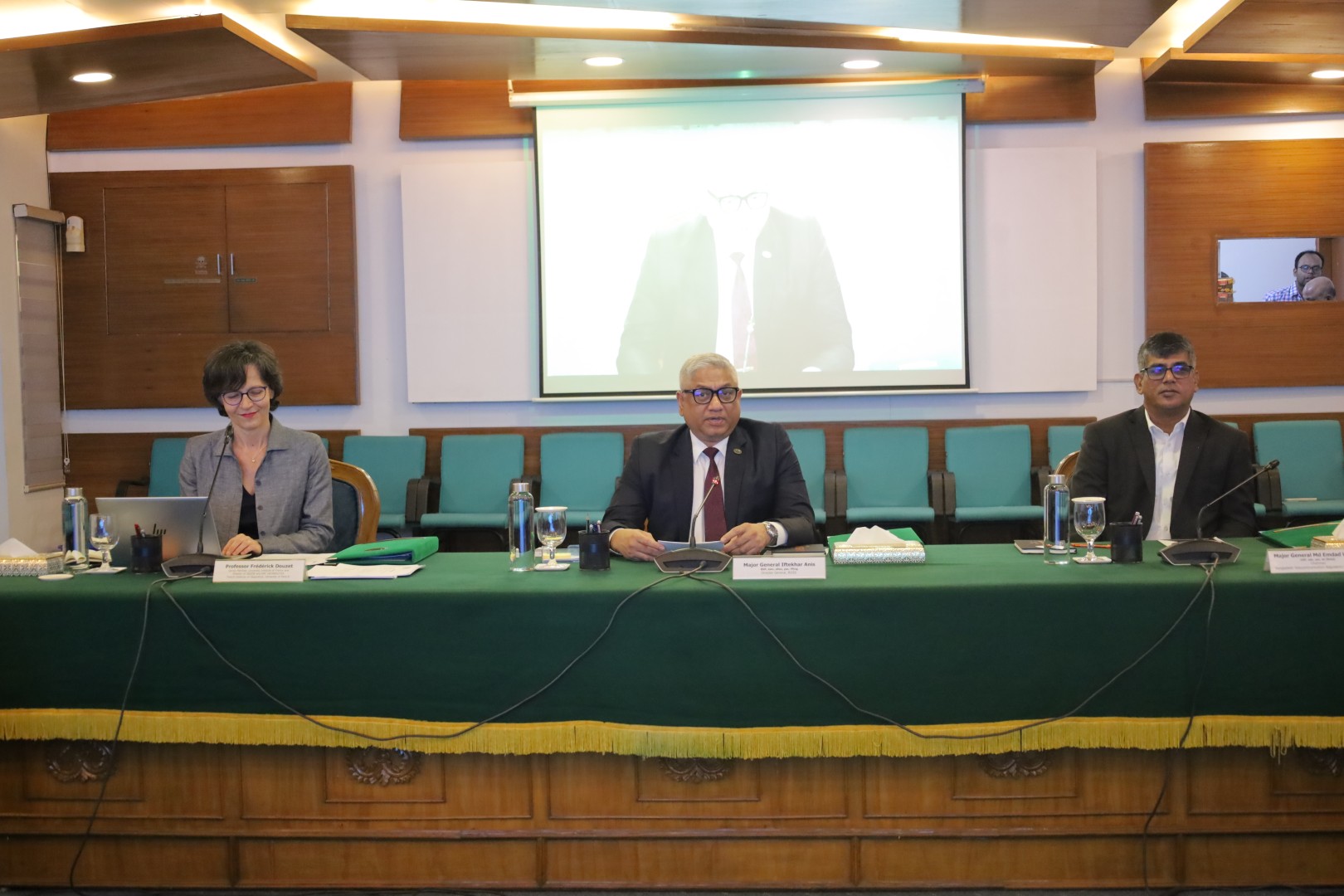
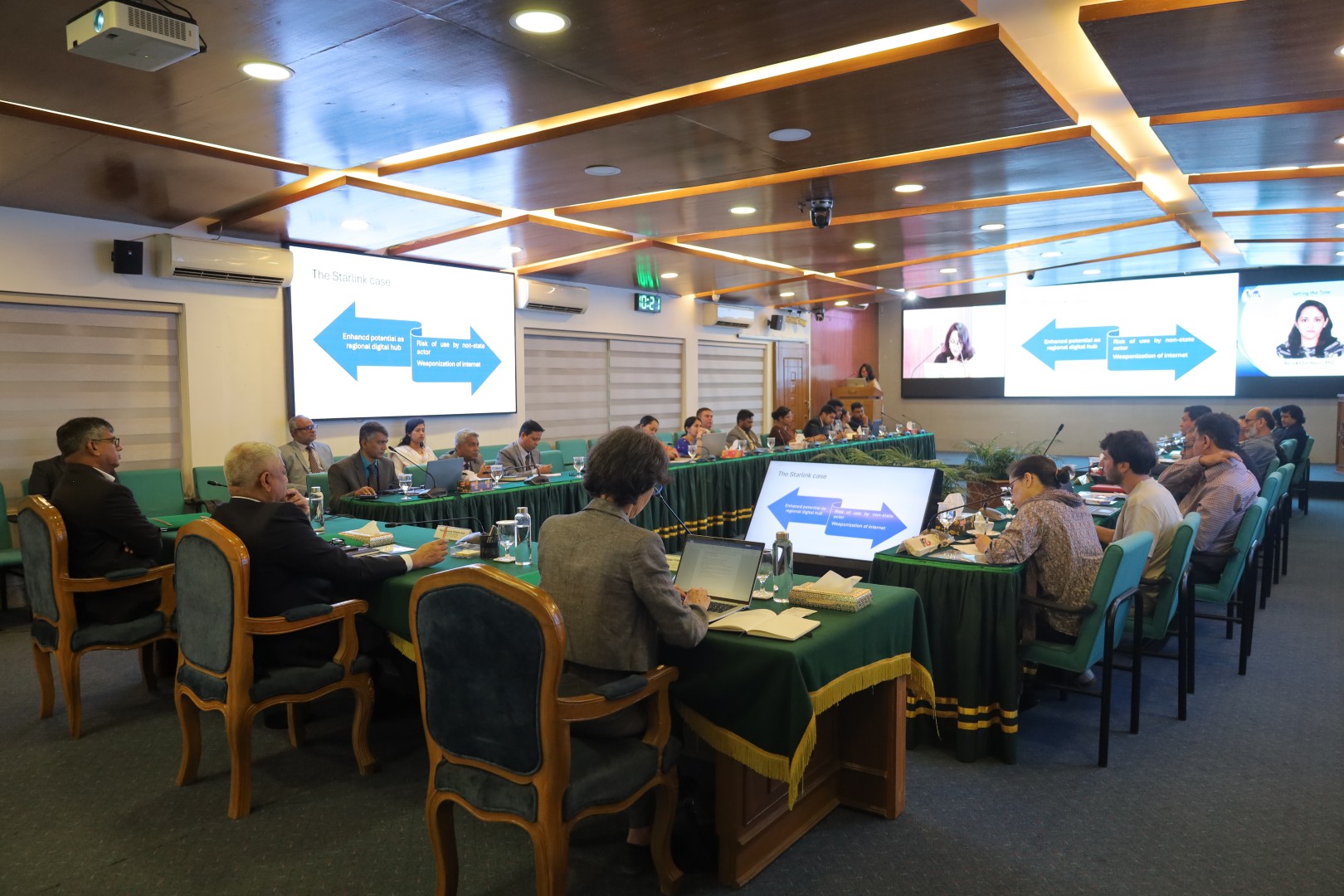
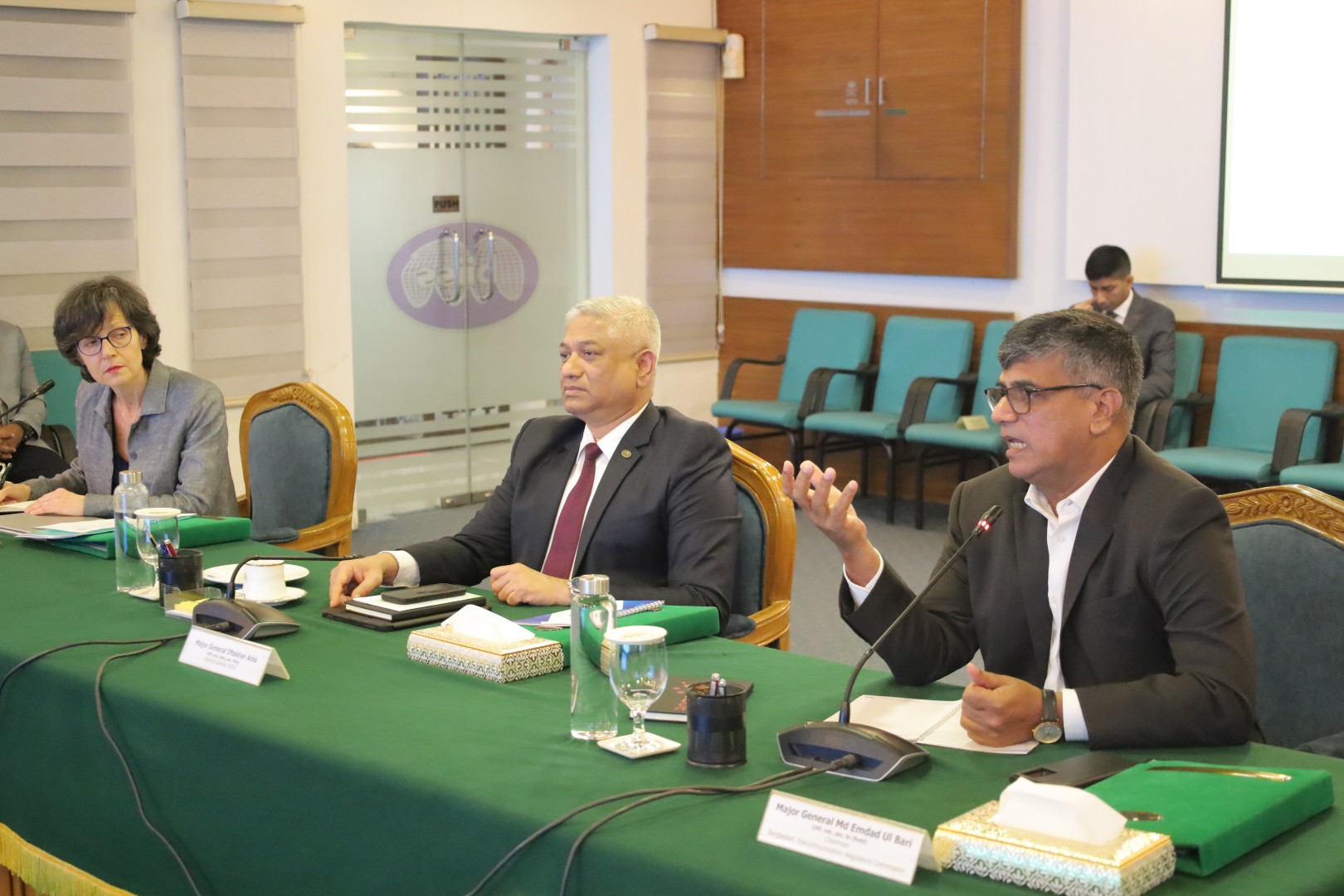
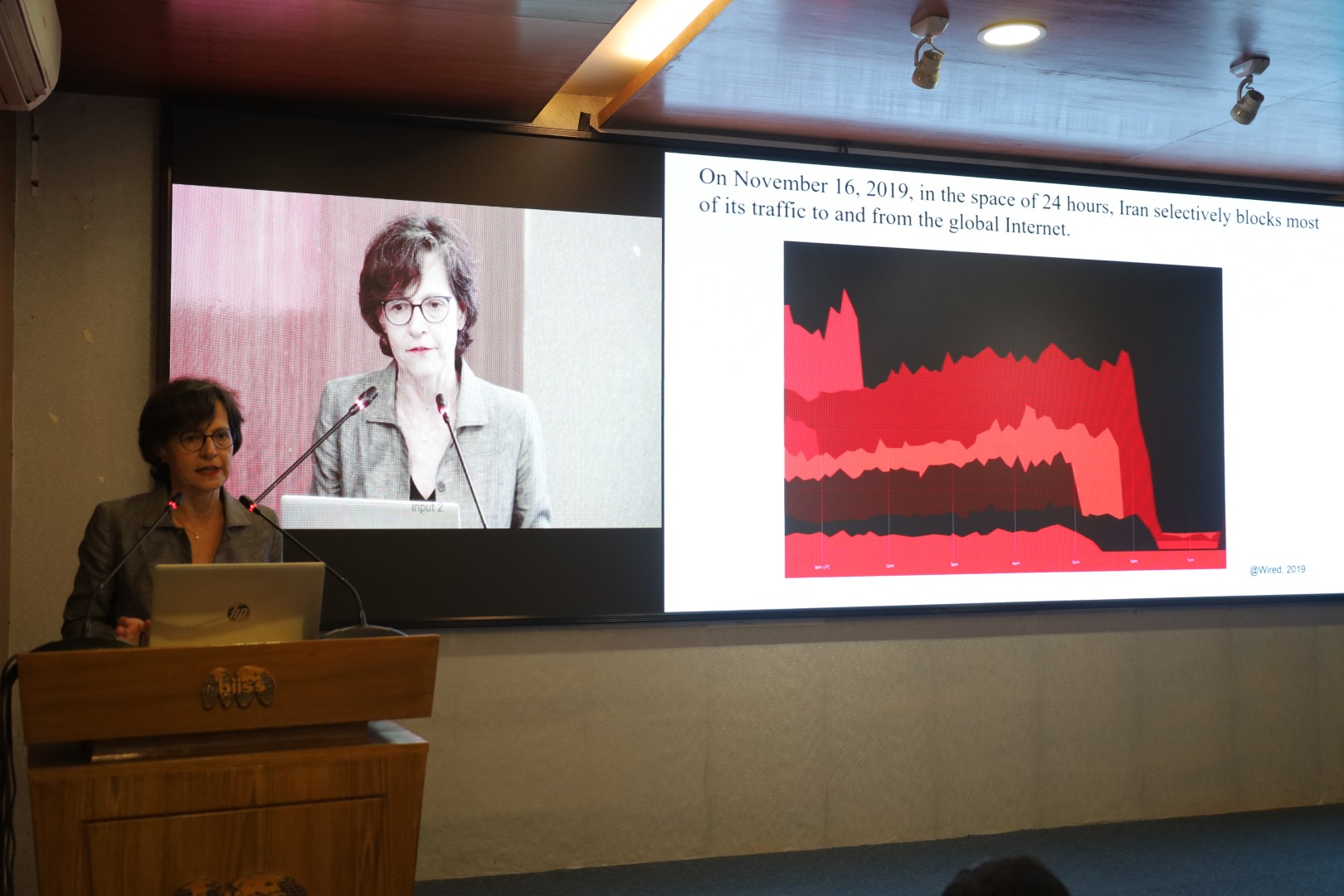
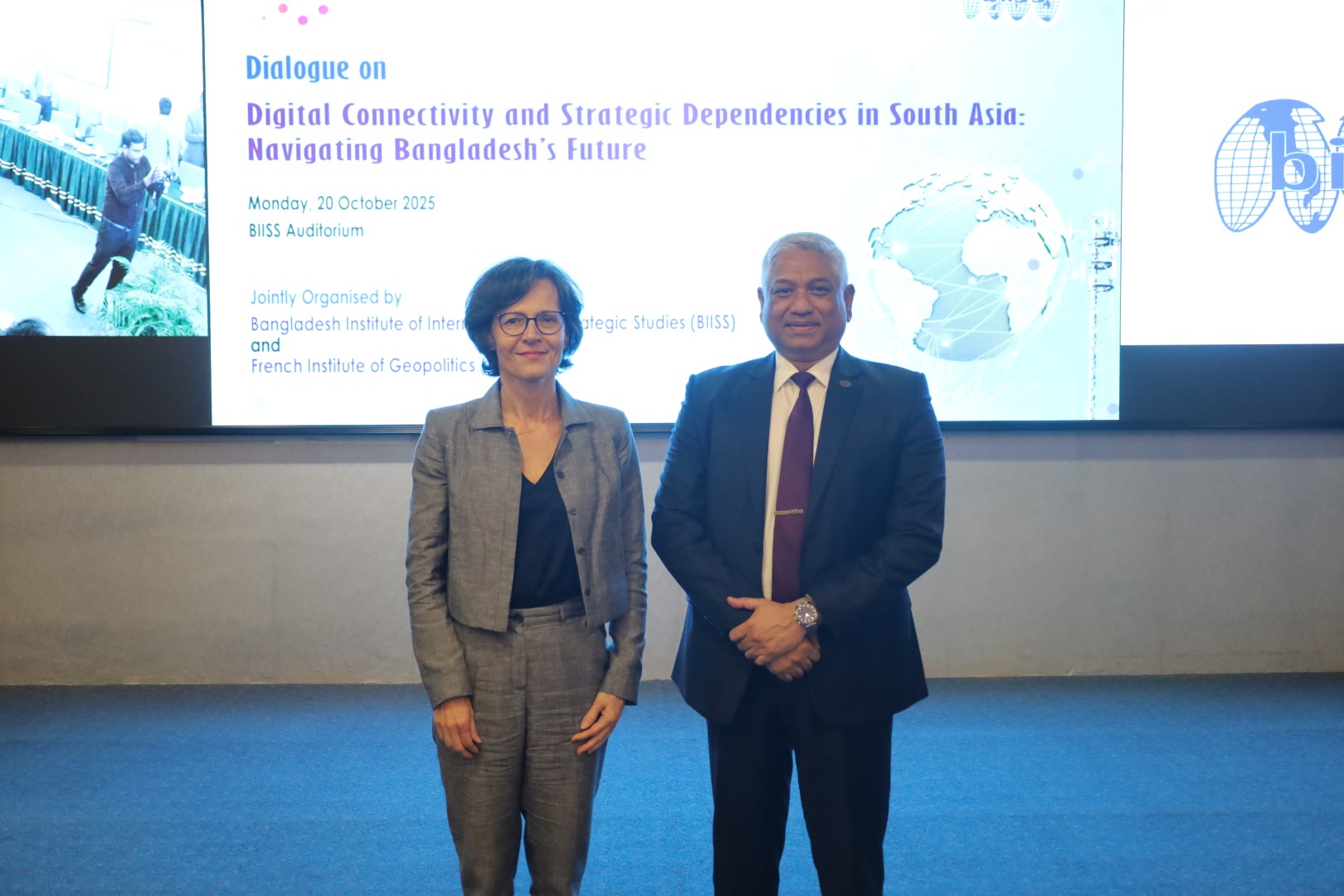
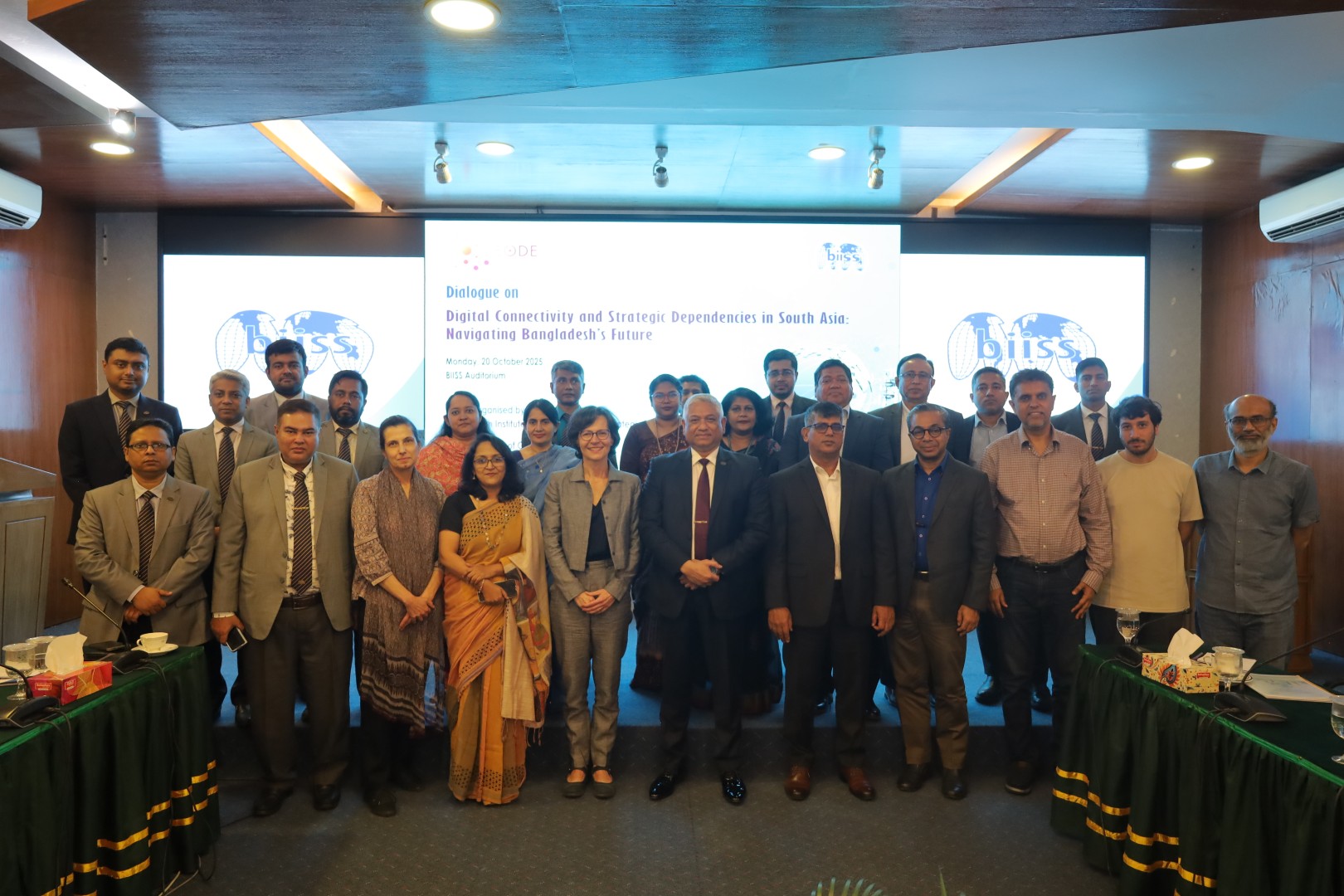
The Bangladesh Institute of International and Strategic Studies (BIISS) organized a seminar titled “Digital Connectivity and Strategic Dependencies in South Asia: Navigating Bangladesh’s Future.” The event convened leading telecommunications experts, cybersecurity analysts, foreign policy scholars, and policymakers to deliberate on the opportunities and vulnerabilities stemming from South Asia's rapidly expanding digital architecture and regional data networks.
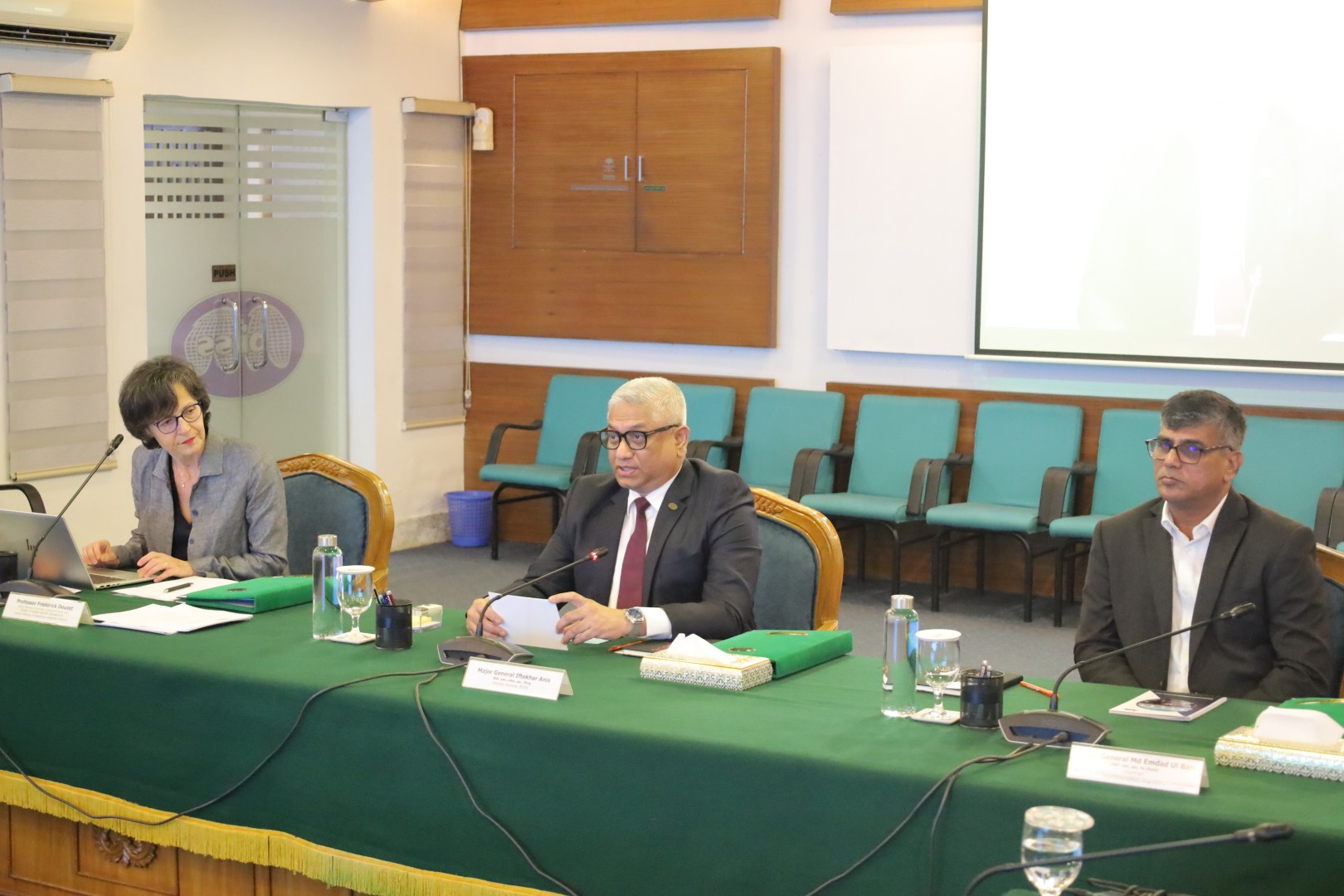
Major General ASM Ridwanur Rahman, BSP, ndc, psc, Director General of BIISS, delivered the welcome address and chaired the inaugural session. He emphasized that while digital integration acts as a core engine for macroeconomic growth, it simultaneously introduces complex strategic dependencies on cross-border physical infrastructure, cloud systems, and technology providers that require proactive national management. Following the opening remarks, a keynote paper titled "Mapping the Digital Landscape of South Asia: Interoperability, Infrastructure, and Influence" was presented, laying out the geopolitical undercurrents shaping internet backbones, submarine cable landings, and data centers in the region.
The seminar featured multiple specialized working sessions addressing the intersection of technology and national sovereignty:
Session 1 (Cross-Border Telecommunications Infrastructure and Vulnerabilities): This segment analyzed Bangladesh’s reliance on international terrestrial cable (ITC) links and regional gateways. Presenters highlighted the strategic importance of diversifying access routes and evaluating terrestrial vulnerabilities to ensure uninterrupted data flow amid regional crises.
Session 2 (Cybersecurity Frameworks and Data Sovereignty): Discussions focused on cloud storage Localization, the expansion of critical national data infrastructure, and protecting state networks from transnational cyber threats. Experts emphasized the need for legal and technical frameworks that preserve domestic data privacy while maintaining regional network compatibility.
Session 3 (Digital Diplomacy and Technology Policy Integration): The final session explored how Bangladesh can balance its partnerships with global technology superpowers while advancing its domestic tech industries. Panelists detailed strategies for utilizing digital diplomacy to build tech-resilient alliances, secure critical supply chains, and bolster local software capabilities.
The open discussion session generated active dialogue among researchers, military strategists, and tech entrepreneurs, focusing on how Bangladesh can transition from a technology consumer to a strategically secure digital hub. The seminar concluded with a synthesis of policy recommendations and a formal vote of thanks from the BIISS research directorate.
To evaluate strategic digital vulnerabilities: Assessing Bangladesh's current reliance on regional and global digital supply chains, software ecosystems, and hardware infrastructure to identify national dependency risks.
To strengthen data sovereignty and cybersecurity: Formulating technical and policy recommendations for critical information infrastructure protection (CIIP), localized data storage, and cross-border threat intelligence sharing.
To promote connectivity diversification: Exploring pathways to expand undersea submarine cable networks (SMW) and international terrestrial links to minimize the risk of single-point network failures.
To navigate technology-driven geopolitics: Analyzing the impact of major global tech rivalries on South Asia’s telecommunications market and carving out an autonomous diplomatic stance for Bangladesh.
To build multi-sectoral technology roadmaps: Fostering collaboration between government ministries, state security institutions, academic faculties, and private tech sectors to draft a secure, long-term digital policy architecture.