Bangladesh Institute of International and Strategic Studies
Bangladesh Institute of International and Strategic Studies
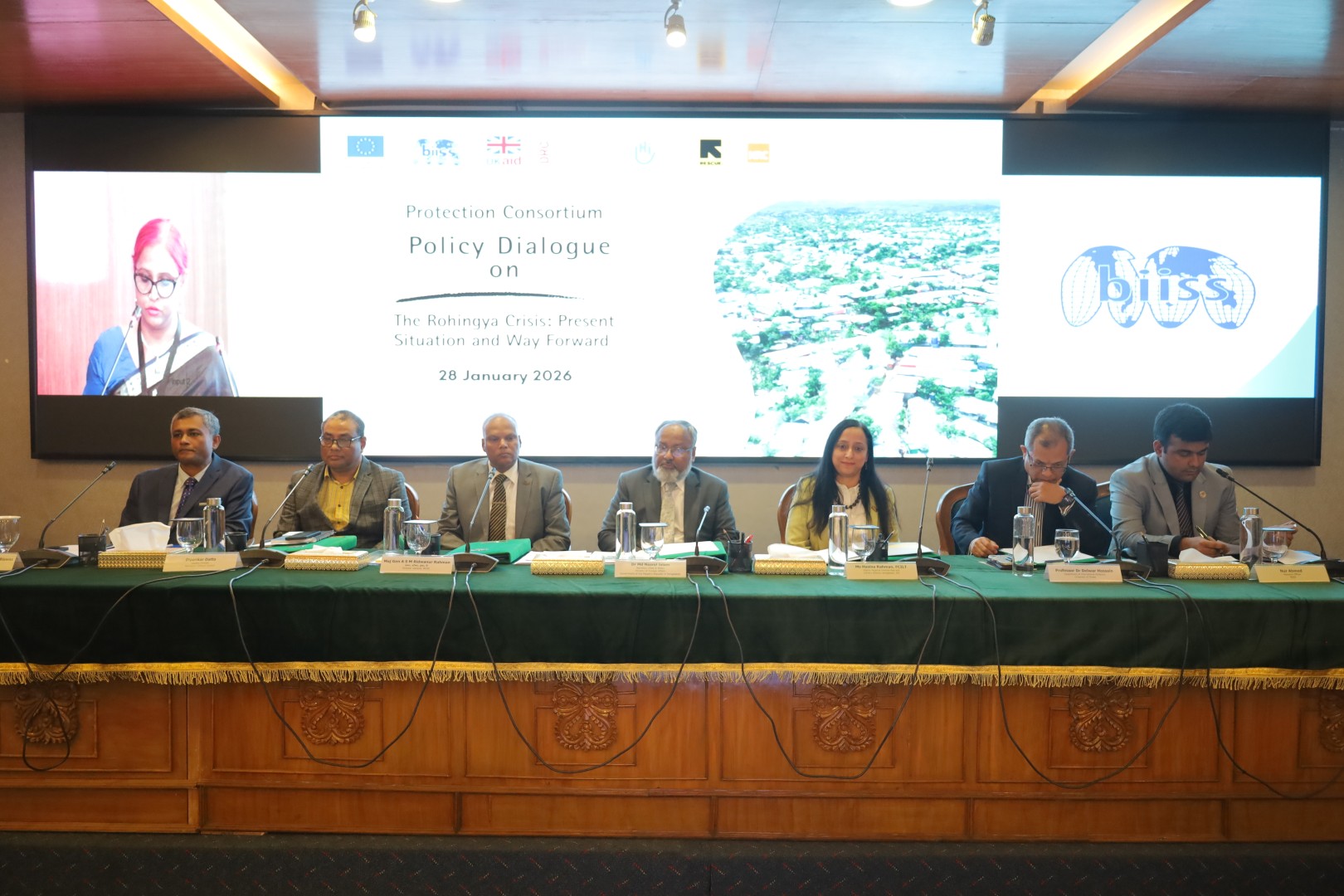
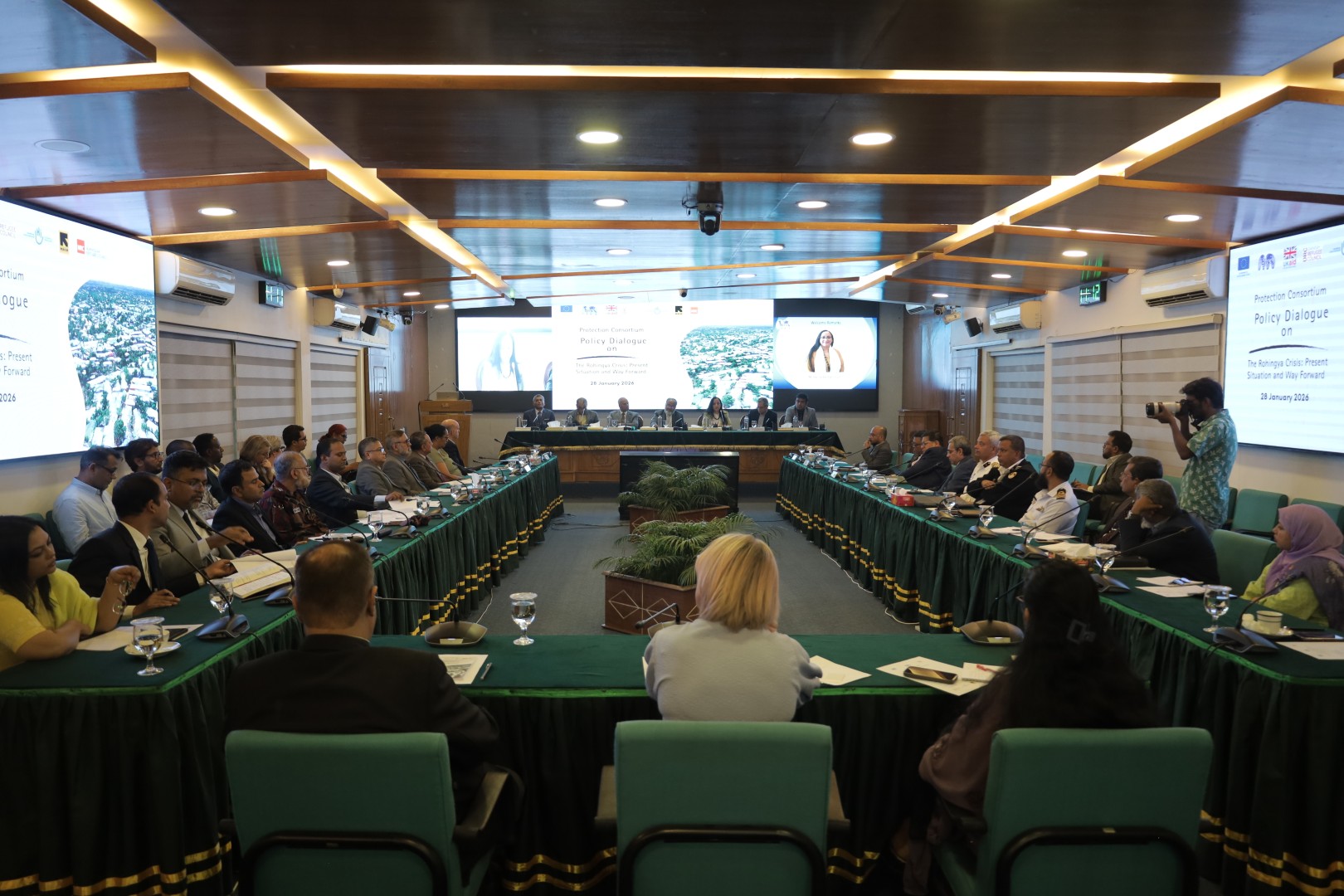
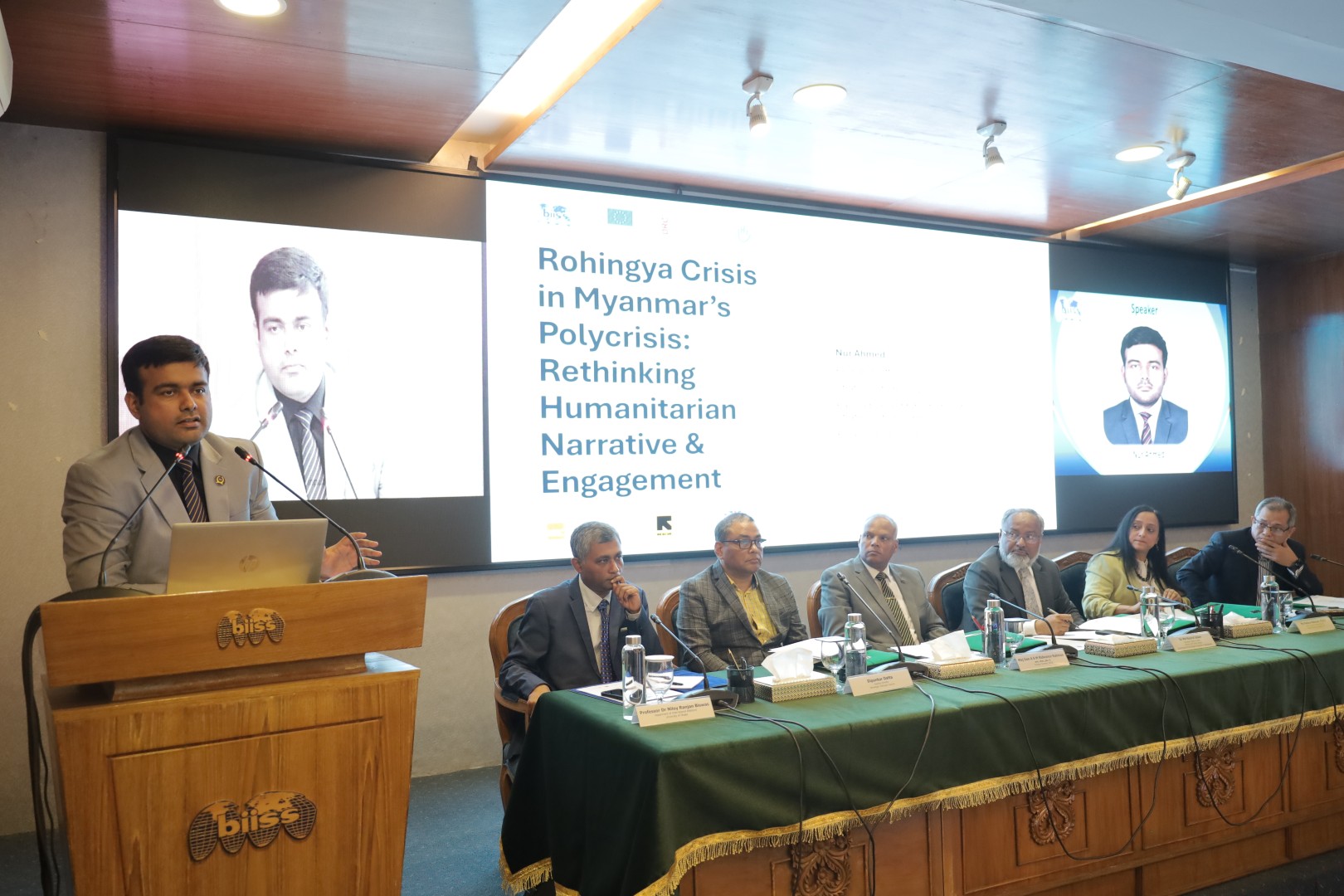
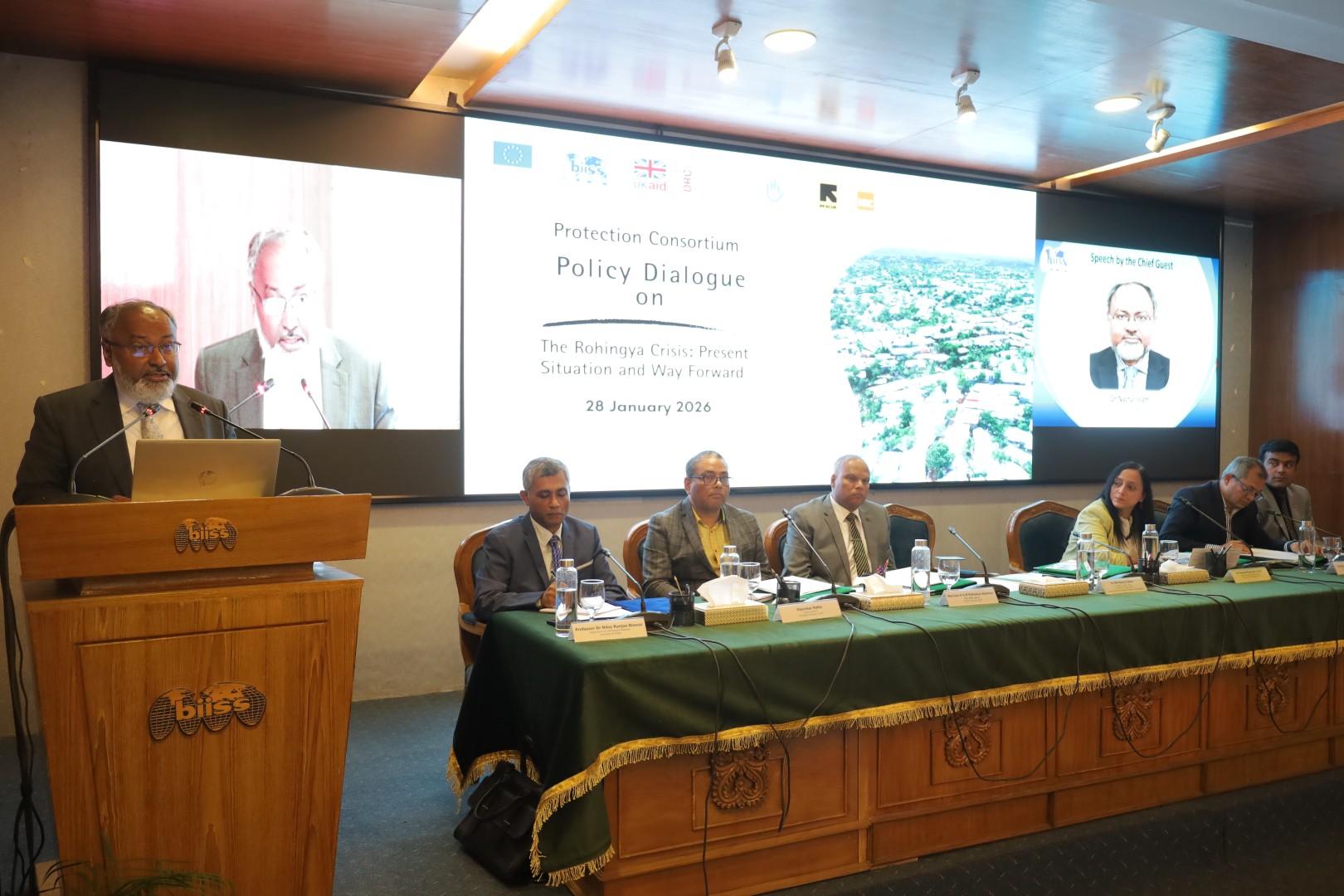
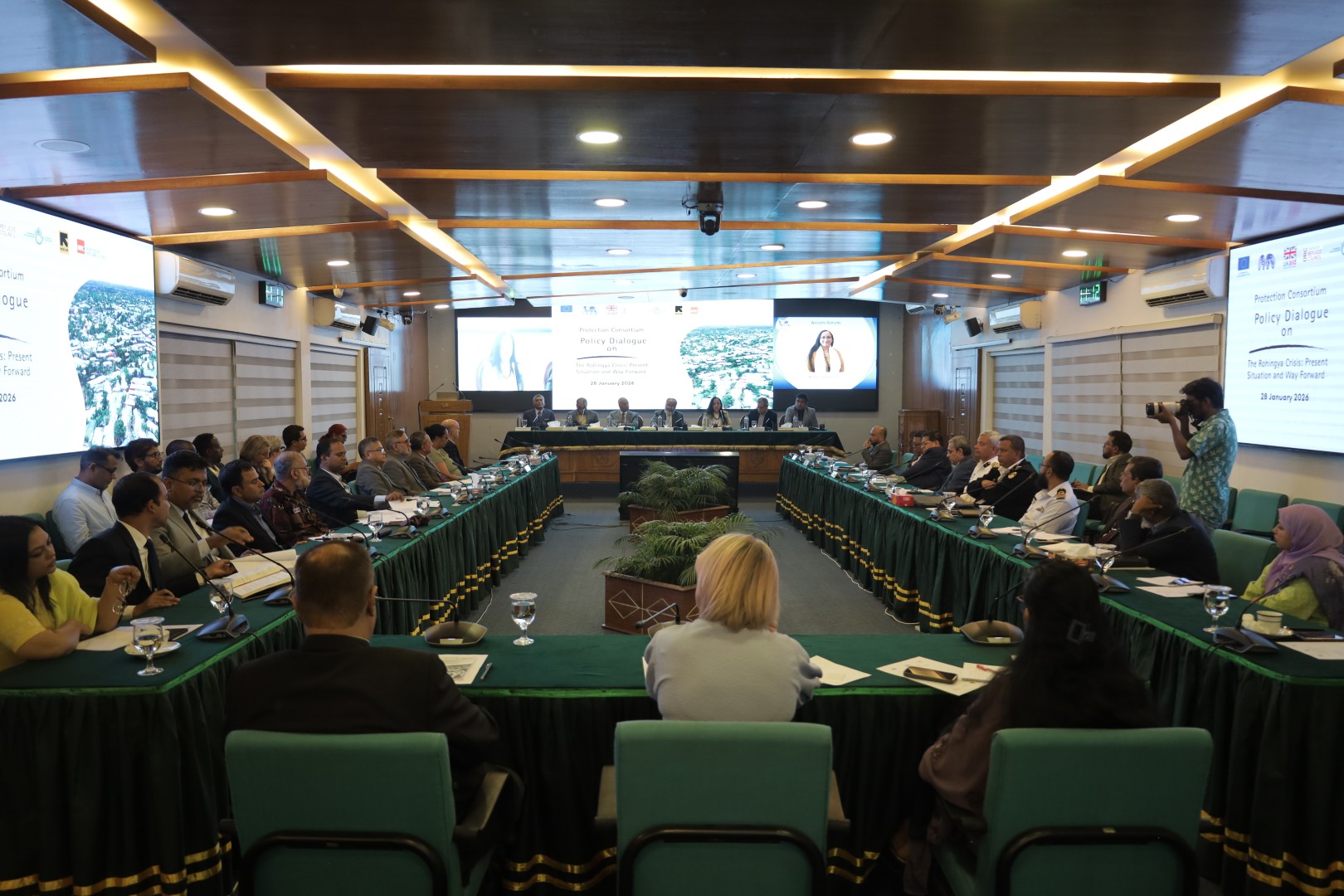
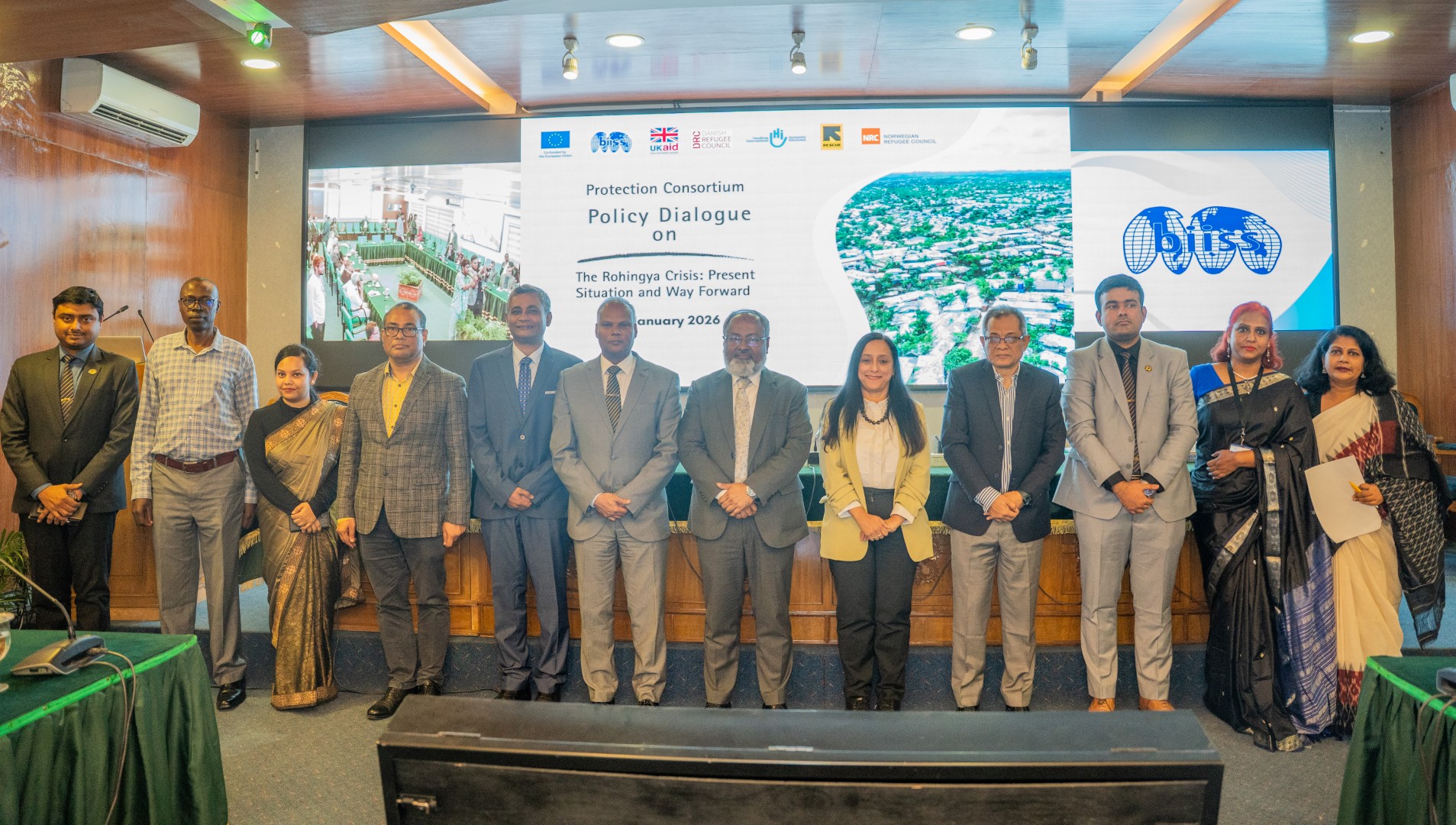
Present Situation and the Way Forward on 28 January 2026

Protection
Consortium Policy Dialogue on The Rohingya Crisis: Present Situation and the Way
Forward
1. Background
The Rohingya crisis is one of the most
pressing humanitarian and human rights challenges in recent history. It remains one of the most protracted
and complex displacement situations in the contemporary world. Bangladesh
currently hosts more than 1.2 million Forcibly Displaced Myanmar Nationals
(FDMNs), the majority of whom reside in the densely populated camps of Cox’s
Bazar. While Bangladesh has demonstrated remarkable humanitarian commitment,
the prolonged nature of the crisis has placed mounting social, economic,
environmental, and security pressures on both refugee and host communities.
Over time, the crisis has been shaped
by a convergence of adverse dynamics. International attention has gradually
diminished, humanitarian funding has declined, and meaningful progress toward
voluntary, safe, and dignified repatriation remains elusive. At the regional
level, ASEAN’s response has been constrained, while ongoing political
instability and armed conflict inside Myanmar have further undermined prospects
for return. Further displacement of the Rohingyas and entry to Bangladesh is
also continuing due to the ongoing civil war on the other side of the border.
At the same time, climate-related risks, restrictions on movement, limited
access to education and livelihoods, and growing protection concerns continue
to exacerbate vulnerabilities among the Rohingya population, particularly
women, children, and youth. The Rohingyas’ safe, voluntary, and sustainable
return to Rakhine has to be ensured by ending violence in Rakhine, fostering
dialogue among Myanmar’s ethnic groups, and strengthening ASEAN and global
peace efforts. This must be supported by sustained donor assistance, robust
action against trafficking, arms smuggling, and cross-border crime, and
strengthened international accountability to ensure justice, end impunity, and
prevent crimes against humanity.
A practical roadmap for safe and
dignified Rohingya repatriation requires stabilising Rakhine through sustained
pressure on Myanmar and the Arakan Army to end violence, initiating phased
returns starting with recent arrivals and internally displaced persons, deploying
an international civilian monitoring presence, and advancing
confidence-building measures for Rohingya integration into local society and
governance. In this context, the Rohingya crisis can no longer be approached
solely as a humanitarian emergency. It has evolved into a multidimensional
challenge that intersects with regional security, development, diplomacy, and
global responsibility-sharing. Addressing it requires renewed political
attention, policy innovation, and coordinated action among national, regional,
and international stakeholders. There is therefore an urgent need for an
inclusive and forward-looking policy dialogue that moves beyond diagnosis and
focuses on practical pathways toward protection, resilience, and durable
solutions.
2. Rationale of the Roundtable Discussion
Despite sustained humanitarian efforts,
existing responses to the Rohingya crisis have struggled to keep pace with its
evolving realities. Policy fragmentation, limited regional cooperation, and the
absence of a clearly articulated long-term roadmap have constrained the
effectiveness of international engagement. For Bangladesh, the challenge lies
not only in maintaining humanitarian support but also in safeguarding national
interests, social cohesion, and long-term stability.
Against this backdrop, a high-level
policy dialogue offers a timely opportunity to bring together policymakers,
diplomats, academics, humanitarian practitioners, development partners, private
sector actors, and Rohingya representatives to engage in candid and
solution-oriented discussions. Such a platform can help bridge gaps between
policy, practice, and lived experience, while fostering shared understanding of
emerging risks and opportunities.
By encouraging cross-sectoral and
inter-disciplinary exchange, the roundtable seeks to resurface the Rohingya
crisis within broader discussions on regional diplomacy, international
responsibility-sharing, localisation, and resilience-building. Importantly, it
also aims to ensure that Rohingya voices are meaningfully included in shaping
the discourse on their future.
3. Objectives
Against this backdrop, the Bangladesh
Institute of International and Strategic Studies (BIISS) and International
Rescue Committee (IRC) will jointly host a roundtable discussion on 20 January
2026, titled “The Rohingya Crisis: Present Situation and the Way Forward”.
The discussion is expected to generate
meaningful dialogue on:
v
Reflect
on the evolving dynamics of the Rohingya crisis in light of regional and global
developments.
v
Identify
key policy priorities, gaps, and opportunities for coordinated and
collaborative action among stakeholders.
v
Build
consensus around an inclusive and pragmatic roadmap for protection, resilience,
and sustainable solutions.
v Contribute to the formulation of an Action Plan to guide policymakers, donors, and partners in the short and medium term.
4. Outcomes
Following the event, BIISS will prepare
a policy brief or summary report capturing key discussions, policy calls with
supporting rationale, core messages, and actionable recommendations. A draft plan
of action will also be shared for validation and follow-up, with the aim of
sustaining momentum beyond the dialogue.