By mid-October 2025, anti-migrant protests have become a visible and recurring feature of politics across North America, Europe, and parts of the Global South. While migration pressures are not new, the scale, frequency, and political impact of recent protests indicate a deeper structural shift: migration has moved from being a policy issue to a core identity and security concern in many societies.

In the United States, immigration remains a polarising national issue.
Demonstrations have intensified in border states over irregular crossings from
Latin America, but protests have also spread to major cities where local
authorities struggle with housing shortages, overstretched welfare systems, and
public order concerns. Anti-migrant rallies increasingly frame the issue in
terms of national security, crime, and labour market competition.
Counter-protests defending migrant rights have also grown, deepening social
polarisation. The result is a more securitised immigration debate heading into
electoral cycles.
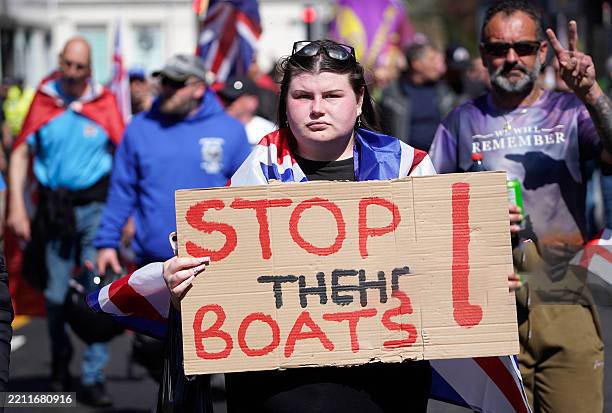
Across Europe, the trend is more pronounced. In countries such as
Germany, France, Italy, and United Kingdom, anti-migrant protests have surged
in response to continued asylum inflows, irregular Channel crossings, and
accommodation pressures in urban centres. Far-right parties have capitalised on
economic anxieties linked to inflation, housing scarcity, and public service
constraints. Migration is increasingly framed as a threat to social cohesion
and cultural identity. Violent incidents targeting migrant shelters and refugee
centres have been reported in several jurisdictions, signalling that public
frustration is at times spilling beyond peaceful protest.
In parts of Eastern Europe, governments have taken a harder line on
border control, reinforcing fences and tightening asylum procedures. Meanwhile,
Mediterranean states continue to face frontline pressure from sea arrivals. The
political effect has been a rightward shift in policy discourse, even among
centrist parties. Tougher border enforcement, faster deportation mechanisms,
and offshore processing proposals have gained traction.
Beyond the West, anti-migrant sentiment is also visible in regions
hosting large refugee populations. In the Middle East, economic strain has
triggered sporadic protests demanding restrictions on foreign workers and
refugees. In parts of Africa and South Asia, local communities have protested
against perceived labour competition from migrant populations. These protests
often combine economic grievance with identity politics.
Several drivers underpin this global pattern. First, post-pandemic
economic recovery has been uneven. High living costs and stagnant wages create
fertile ground for scapegoating migrants. Second, protracted conflicts in
regions such as the Middle East and parts of Africa continue to generate
displacement. Third, climate-related shocks are adding to cross-border
movement. Fourth, social media amplifies narratives that link migration with
crime or demographic change, sometimes without empirical basis.

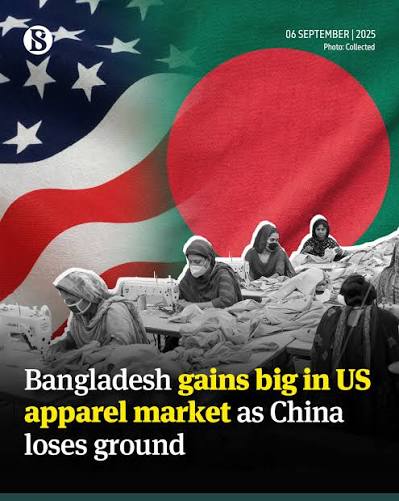
For Bangladesh, these trends carry direct and indirect implications. The
country is heavily dependent on overseas labour markets, particularly in Europe
and the Gulf. A global tightening of migration regimes may reduce labour
mobility options for Bangladeshi workers. Stricter visa regimes, expanded
deportations, and political pressure to prioritise domestic labour could affect
remittance flows, which remain a key macroeconomic stabiliser.
There is also reputational risk. If migration debates in host countries
increasingly focus on integration challenges, labour standards, or irregular
status, Bangladeshi workers may face higher scrutiny. At the same time,
skills-based migration systems in some Western countries may still offer
opportunities for trained professionals if Bangladesh invests in certification,
language training, and compliance mechanisms.
Strategically, Dhaka must diversify labour destinations, strengthen
bilateral labour agreements, and enhance migrant protection frameworks.
Proactive diplomacy and improved worker documentation can mitigate
vulnerabilities in an increasingly restrictive global migration environment.
Anti-migrant protests are no longer episodic events; they are shaping policy in
ways that will influence Bangladesh’s economic and foreign policy calculus in
the coming years.