Bangladesh Institute of International and Strategic Studies
Bangladesh Institute of International and Strategic Studies
Ideologies, Networks and Policy Responses
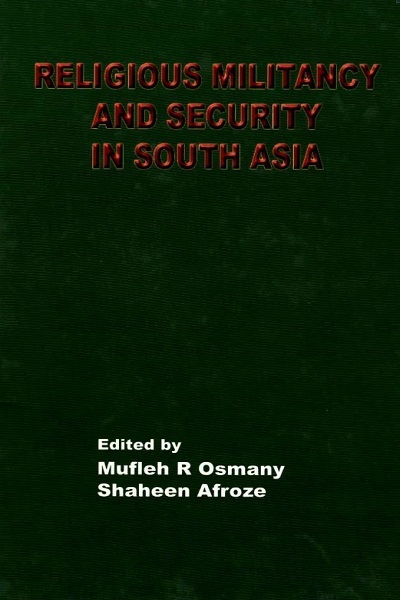
This collection investigates the drivers and dynamics of religious militancy across South Asia and the implications for state and human security. It traces ideological genealogies, organizational evolution and cross-border linkages, paying attention to the enabling environments created by governance gaps, conflict economies and information disorder. Case studies from Bangladesh, India, Pakistan and Sri Lanka examine recruitment, financing, propaganda and tactical adaptations, including the use of digital platforms. Policy chapters weigh coercive tools against prevention and rehabilitation, making the case for strategies that combine professional law enforcement with credible religious and civic voices, education reforms and economic ladders for at-risk youth. The volume highlights the need for regional cooperation on intelligence, finance and border management while emphasizing rights-preserving safeguards to avoid counterproductive backlash. By reframing the issue through both state and people-centred lenses, the book offers practical options for shrinking the space in which violent ideologies thrive.