Bangladesh Institute of International and Strategic Studies
Bangladesh Institute of International and Strategic Studies
Threats, Responses and Regional Cooperation
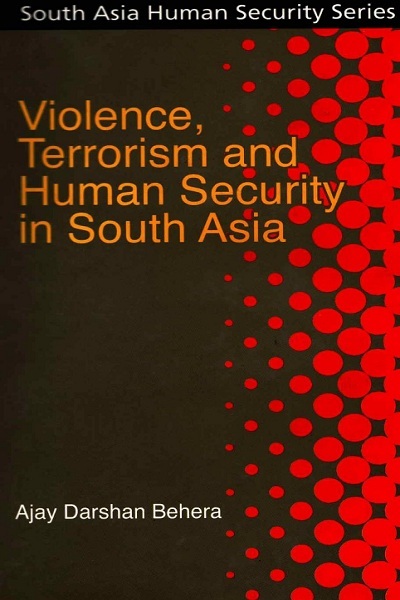
This book situates the problem of violence and terrorism within the broader human security agenda for South Asia. It analyzes insurgencies, terror networks, state repression, and communal conflict not just as security challenges but as phenomena that erode everyday freedoms and development. Chapters investigate the drivers of radicalization—poverty, governance failures, exclusionary ideologies, external funding—and the responses of states through law enforcement, legislation and counter-radicalization programs. Cross-country comparisons—Bangladesh, India, Pakistan, Nepal, Sri Lanka—demonstrate both shared dilemmas and divergent strategies. The volume critiques heavy-handed measures that undermine rights and feed grievances, while highlighting best practices such as community policing, education reforms, and cross-border intelligence cooperation. It underscores the regional dimension: porous borders, refugee flows, and transnational financing of extremism necessitate cooperative approaches. By reframing violence and terrorism as human security issues, the book calls for solutions that protect people rather than only regimes.